Dental polyclinic: stacking several dental polyclinic treatments into one visit plan instead of making a separate trip for each chair. Compare and book. This guide covers What a visit plan covers, Map every treatment on one list and Sequence the chair time correctly.
Booking a dental polyclinic visit is rarely about one treatment, because most people arrive with two or three items to get done — a cleaning, a filling, a scan, a review — and the easy path is to book each one separately. That path costs mornings. A dental polyclinic puts several chairs and departments under one roof, which only helps if the appointments are planned as a single visit plan instead of four disconnected slots. This guide shows you how to map every treatment, sequence it across chair time, book the whole series in one conversation, and walk in with the records that keep the day moving. It also covers what clinics should publish so patients can build that plan without calling twice.
Key takeaways
- List every treatment first, then ask which items can share one appointment.
- Sequence work by chair type so a single trip covers more departments.
- Book the remaining series before you leave and keep every reference.
- Carry previous reports so nothing gets repeated on a later trip.
What a dental polyclinic visit plan covers
A polyclinic differs from a single-chair practice in one practical way: several kinds of work happen in the same building, often on the same day. Routine preventive work runs in one room, imaging in another, a longer restorative session in a third, and the consulting desk somewhere else entirely. That spread is an advantage only when the visits are planned together. Treated as separate errands, the same list of treatments costs four trips, four parking runs and four half-days away from work.
A visit plan is simply a written sequence: which treatments happen in which order, how long each is expected to take, which ones can share an appointment, and which need a slot of their own. The clinic knows this structure from its own room calendar; patients rarely think to ask. The World Health Organization publishes general guidance on preparing for a health service visit, and the same principle applies at chair level — arrive with a plan rather than an open question.
Ask reception for the plan in plain language: what can be done in one sitting, what needs a return visit, and roughly how long the combined appointment runs. If nobody can answer, you are not booking a plan; you are booking a guess.
Map every treatment on one list
Before you call or open a booking link, write everything down on one list. Include the treatments discussed at an earlier visit, any follow-up you were asked to schedule, and the routine work you would like done while you are there. One list does two jobs: it stops reception from offering a forty-minute slot for a two-hour plan, and it stops you from discovering the third treatment on your second trip.
Give each item three notes — the room or chair it needs, an approximate duration if you were told one, and whether it depends on another item being finished first. Imaging usually happens before the consultation that looks at it, and anything involving a lab stage naturally splits into a fitting visit and a later finishing visit. Once the list is honest, the booking conversation gets shorter: you are confirming a sequence rather than negotiating one item at a time.
Clinics that publish slot types and durations on their booking page make this step almost automatic, which is the structure our clinic booking system guide describes from the operator side.
Sequence the chair time correctly
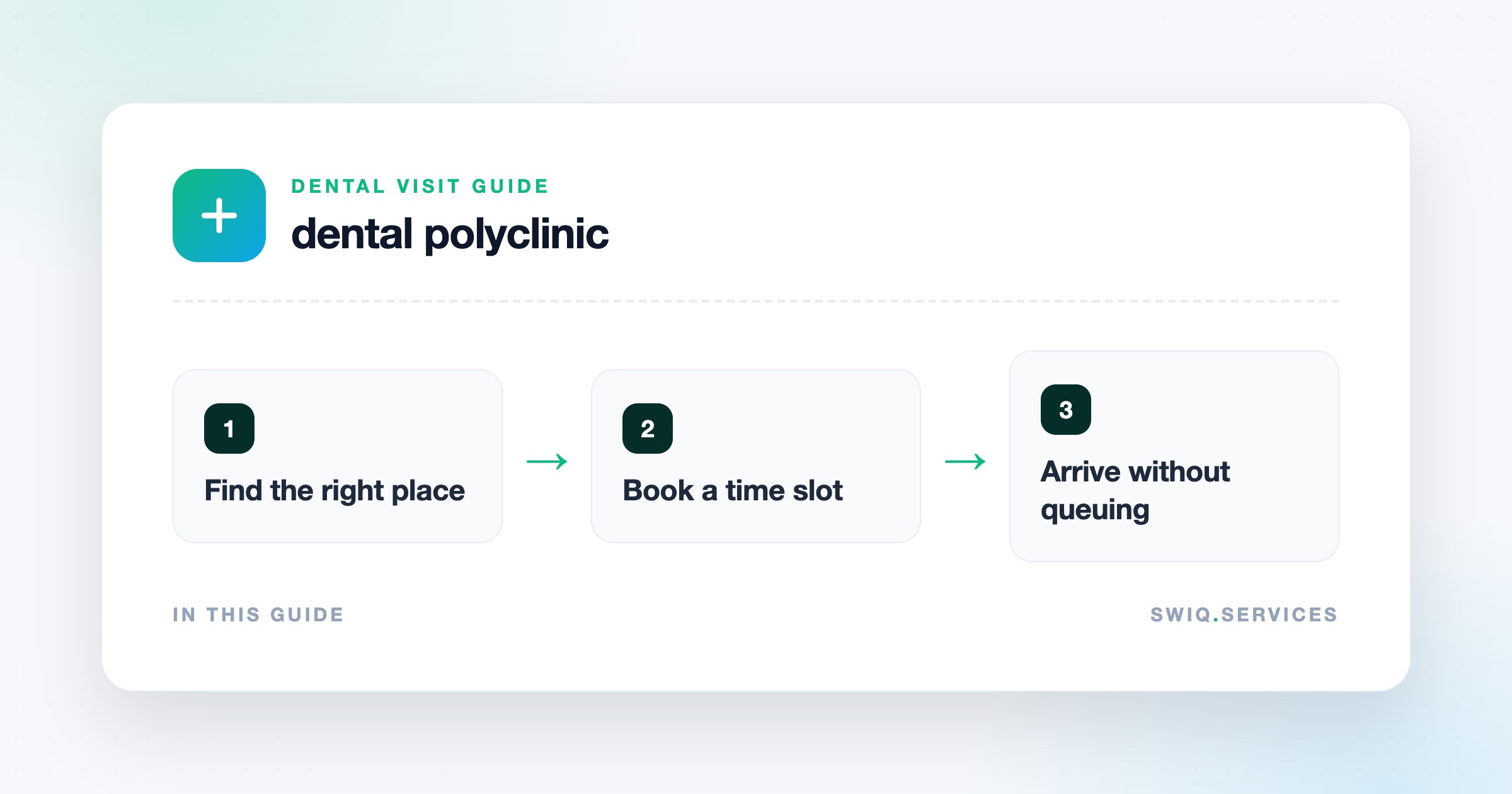
Chair time is the resource you are actually scheduling. Two treatments that need the same room cannot overlap, and a long session early in the day usually protects the rest of the plan. Three rules cover most combinations:
- Group by room, not by date. If two items happen in the same chair, doing them in one appointment removes an entire trip from the plan.
- Put preparation work first. Anything that has to be ready for the consulting desk — imaging, impressions, a preliminary check — is better done before the appointment that depends on it.
- Leave a buffer around long sessions. A morning that runs over should not collide with a hard stop in the afternoon, especially on a day you have taken off work.
Ask the clinic which order it prefers. Reception has seen every combination before and will usually sequence the plan in seconds, because the binding constraint is the room calendar rather than your preference. Writing the agreed order into your confirmation message means nobody has to reconstruct it at the desk.
Book the series before you leave
The biggest leak in multi-treatment care is the follow-up that never gets booked. The first visit happens, instructions are given, and the second appointment is left to a phone call three weeks later — by which point the slot is gone and the plan quietly restarts. Fix it while you are still standing at the desk:
- Confirm which items from your list were completed and which remain open.
- Book every remaining slot before leaving, even if the dates are provisional.
- Get one confirmation message that holds all of them with their references.
- Save the reschedule link so a clash can be fixed without a phone call.
If your first choice of day is full, ask to join the waitlist rather than settling for a week you cannot make — cancelled chair time goes to the next person waiting, as covered in waitlist management for clinics. The same discipline on the clinic side reduces empty slots; see appointment no-show management.
Carry the records that shorten the visit
Half of a wasted chair visit is paperwork that could have been avoided. Four things belong in one folder, paper or phone: previous prescriptions and reports, any imaging done elsewhere, referral notes, and a short written list of the questions you actually want answered. Clinics cannot use records they have never seen, and a repeat trip usually happens because a report stayed at home.
Two practical details matter more than they look. First, confirm beforehand what the clinic wants brought for a combined visit — some ask for old charts, others only need an ID and the confirmation reference. Second, reach reception ten minutes early: a multi-treatment visit needs a registration entry longer than a single check-up, and those minutes are part of the plan, not a delay to it.
Keep the confirmation on your phone with the address, the slot and the expected duration. It is the one document that turns a reschedule into a two-tap job instead of a conversation, and it is the first thing any clinic will ask for when you arrive.
One thread for changes
Plans change. What separates a smooth series from a scrambled one is where the change gets communicated. A phone number buried in a notebook is the slow path; a message thread that already holds the booking is the fast one. WhatsApp is the default channel for most Indian customers, and booking flows that confirm, remind and reschedule inside that same thread remove the back-and-forth entirely — the pattern behind our WhatsApp appointment scheduling guide.
For patients, the rule is short: reply to the confirmation instead of starting a new conversation, and keep every change attached to the original reference. For clinics, the matching rule is publishing a reschedule link next to the confirmation, so a clash is fixed by the patient at night instead of becoming a missed slot in the morning. The WhatsApp Business pages explain why conversational messages get read differently from generic blasts, which is worth knowing if your clinic sends updates by broadcast.
Conclusion
A dental polyclinic works in your favour only when the treatments are planned as one visit plan: map the list, sequence by chair, book the series before you leave, carry the records, and keep every change in one thread. Do that, and multiple treatments become one morning instead of four half-days. Clinics that publish slot types, honest durations and a reschedule link make the plan buildable without a phone call — which is exactly what appointment booking and queue management software from SWIQ is built for. If you would rather see it on your own schedule, book a free demo and we will walk through a real week with you.
Practical next step: write your treatments on one line each, open the booking link with that list in front of you, and ask which items can share a single appointment before you pick any date.
Related SWIQ pages: Queue management software India · Book a free demo · clinic booking system · appointment no-show management · appointment reminder app · clinics open near me
Frequently asked questions
How do I plan several treatments at one dental polyclinic?
Write every treatment on one list, then ask the clinic which items can share an appointment and which need their own slot. Book the grouped visits first, note the expected chair time for each, and keep one confirmation that covers the whole sequence.
Can I book a dental polyclinic visit online?
Many clinics publish a booking link on their listing or share one on WhatsApp. Open it on your phone, choose a slot long enough for your list, enter your name and number, and keep the confirmation reference. If the clinic only books by phone, call between consultation hours.
What should I carry for a multi-treatment visit?
Previous reports and prescriptions, any imaging done elsewhere, referral notes, and a short list of questions. Also carry your confirmation reference and reach reception ten minutes early, because combined visits need a longer registration entry than a single check-up does, and those extra minutes belong to the plan.
How does SWIQ help a dental polyclinic manage bookings?
SWIQ puts link, chat and walk-in bookings on one enforced calendar, so chair time is never sold twice. Clinics get WhatsApp reminders, waitlists for cancelled slots, token displays for the front desk and staff accounts. Setup takes about two minutes and the first 300 bookings are free each month.
See SWIQ in action
One enforced calendar for every chair, WhatsApp reminders, waitlists and live tokens — see it on your own weekly schedule.
Book a free demo