Veterinary clinic queue management that keeps anxious pets calm: species separation, curbside check-in, honest wait estimates and flow fixes that work. This guide covers What makes a veterinary queue different, Design the waiting room around the species and The exam room is the real queue.

Veterinary clinic queue management has a variable no other healthcare queue carries: the patient cannot be reasoned with and often does not want to be there. A dog barking at a cat in a carrier turns a five-minute wait into a stress event for every owner in the room, and owners who feel their pet was frightened by the wait remember it. The mechanics below -- species separation, car-side check-in, honest estimates and room pacing -- work in the US, in India and anywhere else pets wait.
Key takeaways
- Separate species in the waiting area; a mixed cat-dog lobby creates stress that owners blame on the clinic.
- Use car-side or curbside check-in when wait times pass a few minutes -- owners accept waiting far better in their cars.
- Time rooms, not just queues: an overrunning exam room is the real bottleneck in most veterinary clinics.
- Quote honest waits derived from the last few patients seen; anxious owners punish uncertainty far more than duration.
- Track walk-ins, no-shows and average wait weekly; the pattern usually points at one overbooked hour.
What makes a veterinary queue different
Four features separate veterinary queues from human clinics. The patient is a captive, frightened participant, so waiting itself has a cost that compounds with every minute. Owners wait on behalf of someone else, which makes them more anxious and more vocal than human patients. Emergencies genuinely interrupt -- a seizure or a hit-and-car case should bypass everything, and staff need a written bypass rule so the interruption never becomes a negotiation. And appointments vary wildly in length: a vaccination is five minutes, a senior-pet workup can be twenty-five, and both sit in the same book.
The practical consequence is that veterinary waiting rooms punish ambiguity. Owners read their pet's stress and attribute it to the clinic's competence, whether or not the wait caused it. Every mechanism in this guide reduces ambiguity for the owner and stress for the animal at the same time.
Design the waiting room around the species
The single highest-impact change in any veterinary clinic is separating cats from dogs in the waiting area. Cats carrier-bound next to a barking dog arrive at the exam table already stressed, which makes the examination harder and the owner more convinced the visit was mishandled. A separate cat waiting zone -- even a curtained corner with a sign -- measurably calms the room.
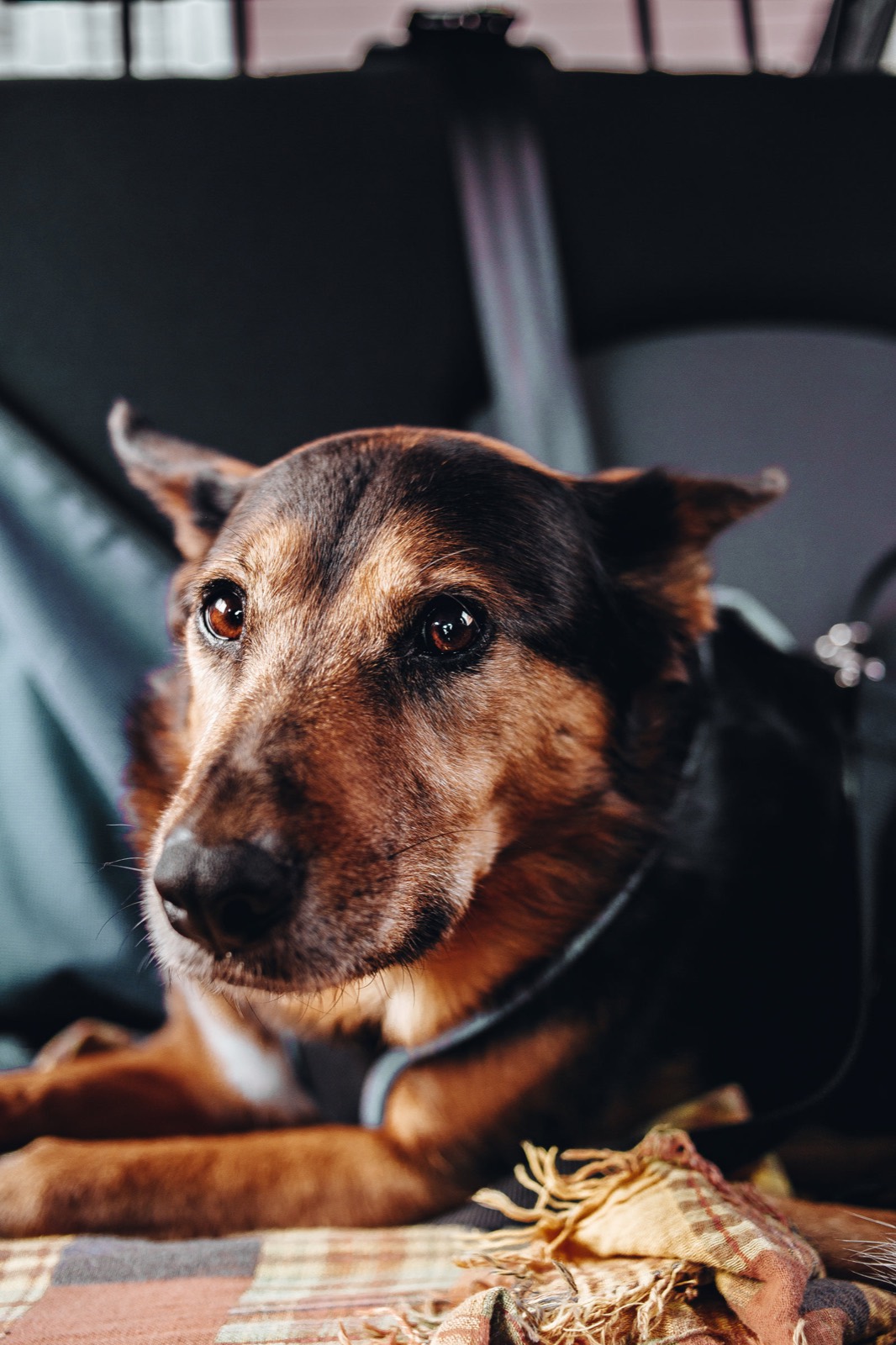
- Cat zone and dog zone, physically separated, with carriers placed on elevated surfaces where cats prefer them.
- Floor-level viewing for dogs -- owners crouching with their dog occupy space that otherwise becomes a queue knot at the desk.
- A visible serving order -- a screen or board showing the number in the room removes the repeated "how much longer?" from nervous owners.
- Car-side option posted at the door -- for waits beyond a few minutes, owners wait in their climate-controlled car with the pet comfortable on the back seat.
The exam room is the real queue
Veterinary wait times are almost never caused by a slow reception desk; they are caused by room pacing. A consultation that runs fifteen minutes over does not just delay the next patient, it delays every patient whose appointment was sequenced behind it, and it silently removes the buffer that absorbed emergencies. The fix is to book by consultation type rather than a universal slot: vaccinations and rechecks at ten to fifteen minutes, new-client and senior workups at twenty-five to thirty, surgical discharges in a separate afternoon block that never collides with the consultation grid.
Room pacing is a visible, trainable behaviour: the veterinarian signals the front desk at the fifteen-minute mark, and the next patient is called to the room rather than to the desk. Clinics that install this habit report shorter lobby waits without changing a single appointment time -- the queue simply stops hiding inside the rooms.
Curbside check-in and car-side waiting
Curbside service spread widely during the pandemic and stayed because it solves a genuine problem: the waiting room is the worst part of the visit for many pets and owners. The model is simple -- the owner calls or texts on arrival, staff collect the animal at the car, the examination happens inside, and the vet or a nurse walks out to debrief at the vehicle. The owner's wait happens in a familiar, quiet space, and the lobby empties by design.
Curbside is not free: it needs two staff minutes per arrival and reliable communication between the desk and the floor, so it fits medium and long waits better than three-minute vaccination visits. Clinics in both markets run it selectively -- offered automatically when the day's running delay crosses a threshold, which is exactly the kind of conditional the flow section of virtual waiting rooms covers.
Honest wait estimates for nervous owners
An owner holding a frightened cat experiences uncertainty differently than a person waiting for a haircut, which is why optimistic quoting backfires so badly here. The working method is the same one used in human clinics -- estimate from the last three patients actually seen, round up rather than down, and update the owner when the estimate slips -- but the delivery matters more: a nurse stepping out to say "we are running twenty minutes behind, she is doing her best" preserves more goodwill than a front-desk apology over a counter.
Owners also respond well to being given a choice: wait, come back, or leave the pet and collect later. Offering the choice converts a complaint into a decision, and the owner who chooses to come back at four o'clock does not write the one-star review about the four o'clock wait.
What the clinic should measure weekly
Four numbers keep veterinary queues honest: average wait from arrival to exam start, the longest wait of the day, walk-ins turned away or deferred, and no-shows against appointments booked. Review them in a fifteen-minute Monday huddle and attack whichever hour is worst -- in most practices the crush is late morning, when surgical drop-offs, walk-in vaccinations and consultations all pile onto the same reception.
The measurement mechanics need only timestamps and a notebook; the method is described in customer wait time. For clinics that want the waiting-room environment side of the problem as well, wellness center queues covers the comfort mechanics that transfer to veterinary lobbies surprisingly well.
- Average wait: arrival to exam start, tracked for booked and walk-in patients separately.
- Longest wait of the day: the experience owners describe to friends and on review sites.
- Walk-ins deferred or turned away: a hidden loss of future vaccination and dental revenue.
- No-shows against appointments booked: whether reminders and confirmations are actually landing.
Frequently asked questions
How long should a veterinary client wait past their appointment time?
Most practices treat five to ten minutes past the booked time as acceptable, with anything beyond twenty requiring a proactive update from staff. The update matters more than the clock: an owner told 'about fifteen more minutes' stays calm, while the same owner left guessing starts attributing the delay to the animal's distress.
Should cats and dogs really be separated in the waiting room?
Yes, wherever it is physically possible -- even a curtained corner with a sign helps. Cats carrier-bound near dogs arrive at the exam table stressed, examinations get harder, and owners read their pet's fear as evidence of a badly run visit. Species separation is usually the cheapest improvement a veterinary clinic can make.
Is curbside check-in worth keeping after the pandemic?
For waits beyond a few minutes, yes. Owners wait comfortably in their cars, anxious animals skip the lobby entirely, and the clinic controls the room's stress level. It costs two staff minutes per arrival, so most clinics offer it selectively when the day's delay crosses a threshold rather than for every visit.
How do veterinary clinics handle emergencies inside a booked schedule?
With a written bypass rule agreed by all staff in advance: emergencies go straight to a treatment room, the affected consultation is re-sequenced by the front desk, and the owner of the delayed appointment is told immediately with a new time. The rule must be written down, because improvised fairness during a crisis satisfies nobody.
What is the fastest way to shorten vet clinic waits?
Fix room pacing before touching the appointment book. Booking by consultation type, flagging the room at the fifteen-minute mark and calling the next patient straight to the room removes hidden minutes that no additional staff could recover. Most clinics see the lobby wait fall within two weeks of installing that habit.
See SWIQ in action
SWIQ times every stage from arrival to exam, shows the serving number on the lobby screen and sends owner updates -- so the queue stays as calm as the pets.
Launch the SWIQ web app