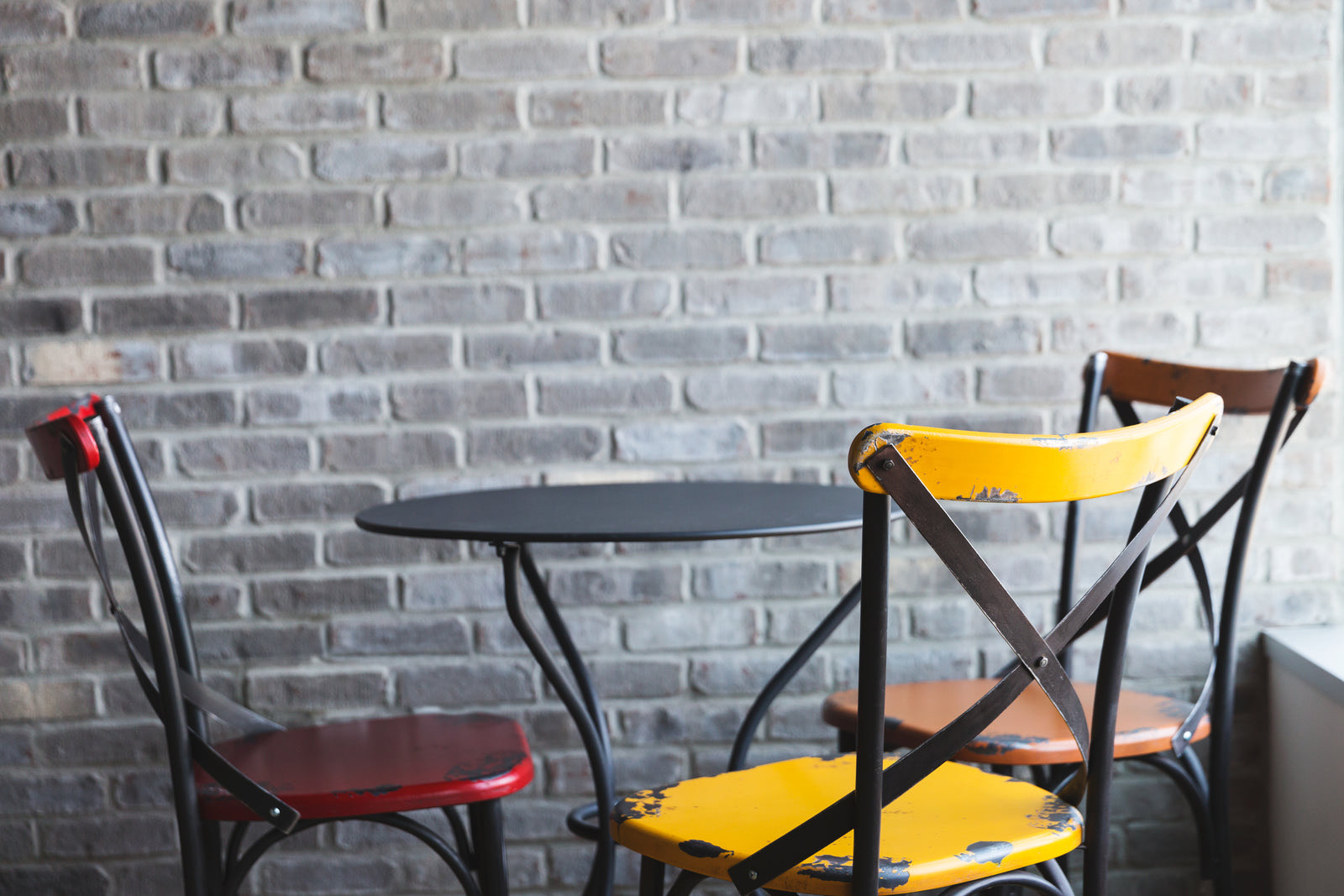
The clinic waiting room experience is the most reviewed part of an Indian practice and the least designed. Patients judge a clinic less by the consultation than by the 40 minutes before it: the hard bench, the ceiling fan that does not turn, the announcement nobody could hear, the uncertainty about whose turn is next. Almost every fix below costs under a thousand rupees and can be running this week. The one bigger purchase -- a token display -- pays for itself in reviews and return visits.
Key takeaways
- Comfort fixes (seating, air, water, light) are cheap and cut complaints faster than any clinical upgrade.
- The single biggest calm factor is information: patients who can see the queue stop asking the queue.
- Separate the noise zones -- children, phone calls, the speaker -- from the seated area.
- A clean, well-lit restroom signals more about a clinic's standards than the decor ever will.
- Measure satisfaction with a two-question checkout note, not assumptions.
Why the waiting room decides the review
An Indian patient spends more minutes in the hall than in the cabin. Those minutes set the emotional baseline for everything that follows, and they are the part that gets described to family and posted online. 'The doctor was fine but we waited one hour' is not a complaint about the doctor; it is a complaint about the room, the information, and the sense that nobody was in charge.
The good news is that waiting-room satisfaction is loosely tied to actual wait length. Patients who are comfortable, informed and confident that their turn will come report shorter perceived waits than patients on a hard bench facing a blank wall for half the time. Design for perception and information first; the physical comforts matter mostly because they signal that the clinic thought about the patient.
There is also an economic edge. The waiting room is where patients decide whether to return, whether to bring their family, and what to write online. A clinic that competes with two others on the same road rarely loses on the doctor's degree; it loses on the 40 minutes nobody designed.
Cheap upgrades, cheapest first
Ordered by cost. The first five are effectively free.
- Post the sequence visibly. A whiteboard or printed sheet showing the current token and the order answers every waiting question silently, for free.
- Fix the air. A fan that actually oscillates, a window that opens, or a serviced AC unit does more for mood than any poster.
- Offer water without being asked. A jug, cups and a small table; patients notice being cared for before they notice decor.
- Light it properly. A dead tube light reads as neglect; warm, bright lighting reads as competence.
- Clear the clutter. Old magazines, tangled chargers and stacked boxes make a room feel smaller and messier than it is.
- Add charging points. A working socket or USB point turns waiting into something to do.
- Upgrade two chairs, not all. One soft seat for elderly or unwell patients signals care more than a uniform row of hard plastic.
Seating, air and the monsoon reality
Indian waiting rooms fight heat, humidity and noise at once. Seats should face away from direct afternoon sun, and the hottest chairs should go to whoever looks least able to handle them rather than filling first-come. During monsoon, a wet-floor mat at the door and a working exhaust fan prevent the damp smell that no air freshener fully hides.
Layout matters as much as furniture. Arrange seating so patients do not stare at each other across a narrow gap; a slight angle or a small planter gives psychological privacy in a crowded room. Keep the path to the consultation cabin clear so the walk of 'your turn' is calm, not a shuffle over bags. And separate the phone-call corner from the seated area -- one loud conversation shapes the whole room's tone.
One placement decision outsizes the rest: where the elderly and unwell sit. Reserved seats near the cabin door, out of draught and away from the speaker, cost nothing beyond a small sign, and every family in the hall notices who the clinic chose to look after first.
Information that calms an anxious hall
The strongest waiting-room intervention is not comfort; it is information. Patients who can see where they stand stop asking, stop craning, and stop assuming they have been forgotten. Three layers cover almost every clinic:
- Live token display -- the number being served, per doctor, on any screen the hall can see.
- Honest estimate -- 'about 25 minutes' derived from the last few patients, refreshed every 15 minutes, not a hopeful 'five minutes'.
- Turn notifications -- an SMS or WhatsApp when the patient is two or three away, so they can step out for air or chai without fear.
For anxious patients -- and Indian OPD halls carry plenty -- information is reassurance. A parent with a sick child, an elderly patient away from family, a first-time visitor to a specialist: all of them settle the moment the sequence becomes visible and their place in it becomes certain.
Measuring whether it actually worked
Do not assume; ask. Put a two-question note at checkout for one week before the changes and one week after: how would you rate the wait (1 to 5), and one line of comment. The comment field is where the real signal lives -- patients will tell you the fan was broken, the restroom was dirty, or the display helped more than expected.
Pair it with one hard number: the count of 'how much longer' questions at the desk per hour. That number falls sharply once a display goes up, and it is a direct measure of how much of your receptionist's attention the queue is consuming. The wider measurement approach is in patient wait time tracking, and the token mechanics behind the display are in digital token systems for clinics.
Frequently asked questions
How much should an Indian clinic spend on its waiting room?
Start with under 10,000 rupees: signage, a water station, lighting, a serviced fan or AC, and two comfortable chairs for elderly or unwell patients. These cover most of the experience gains. A digital token display is the first purchase worth going beyond that budget, because it changes the information environment, not just the furniture.
Does a token display really change the waiting experience?
Yes, more than any furniture upgrade. The display answers every patient's real question -- where am I in the queue -- without a single interruption to staff. Patients stop crowding the cabin door, stop asking reception, and stop assuming they were skipped. The effect on perceived wait is consistently larger than the effect on the wait itself.
How do I handle a crowded room during OPD peak?
Add turn notifications so patients can wait outside and return when close, make the display honest ('running about 30 minutes behind'), and separate the unwell from the general seating. Crowding is rarely about chair count; it is about patients arriving hours early because nothing tells them when to actually come.
Should the waiting room have TV or music?
Light background audio or muted television helps, but keep the volume low enough that staff can call names audibly and anxious patients are not overwhelmed. Loud news and serials divide a hall; instrumental or devotional audio at low volume tends to be the safest shared choice across a mixed Indian patient base.
How do I know if the waiting room improvements worked?
Use a two-question checkout survey before and after, and count 'how much longer' questions at the desk per hour. The survey captures satisfaction; the question count captures whether the room is genuinely calmer. Review both after a month -- the changes that matter show up in both numbers at once.
See SWIQ in action
SWIQ adds the live token display, honest wait estimates and turn notifications that turn a modest waiting room into a calm one.
Launch the SWIQ web app