
The first dental visit experience is a designed sequence or an accidental one -- there is no third option. New patients form their judgement in the first ten minutes (the greeting, the paperwork, whether anyone explained what happens next), carry it through the chair, and decide at checkout whether they will call again. For US practices competing within a ten-minute drive, that single visit is the entire acquisition funnel. Below: the timeline worth writing down, the three anxiety triggers, and the checkout conversation that books the next appointment.
Key takeaways
- The first ten minutes -- greeting, paperwork, and an explained next step -- set the tone for the entire visit ahead.
- Name the three anxiety triggers (sound, cost surprise, loss of control) and defuse each before the chair.
- Never let a new patient hear the plan for the first time at checkout; explain time and cost before treatment begins.
- The checkout is a booking moment: schedule the next visit before the patient reaches the door.
- A 24-hour follow-up message converts a one-time visit into a relationship and a review.
Why the first visit decides whether they come back
New patients do not evaluate dental care the way dentists do. They cannot judge the margin on a restoration or the quality of a bond; they evaluate how it felt to be in the building. Research on service retention broadly finds that early experience weighs heavily on repeat behaviour, and dental practices see it plainly: patients who leave the first visit feeling informed and unhurried return for cleanings, while patients who leave confused about what happened and what it cost simply do not call again -- and rarely say why.
That is what makes the first visit worth designing rather than improvising. It is also the visit with the most uncertainty built in: a new patient does not know the routine, the staff do not know the patient, and every unexplained pause is interpreted as a signal. Design closes that gap with explanations; silence fills it with assumptions.
The first visit, minute by minute
Write the timeline down and hold the team to it. Times are a template -- your own visit length decides the final version.
- Minute 0 -- the greeting. Name the patient, say who you are, and state how the visit will run in one sentence. Orientation is the cheapest anxiety reduction available.
- Minutes 2 to 5 -- paperwork confirmed, not repeated. Forms completed ahead get verified ('we have everything from Tuesday'), never re-asked at the desk.
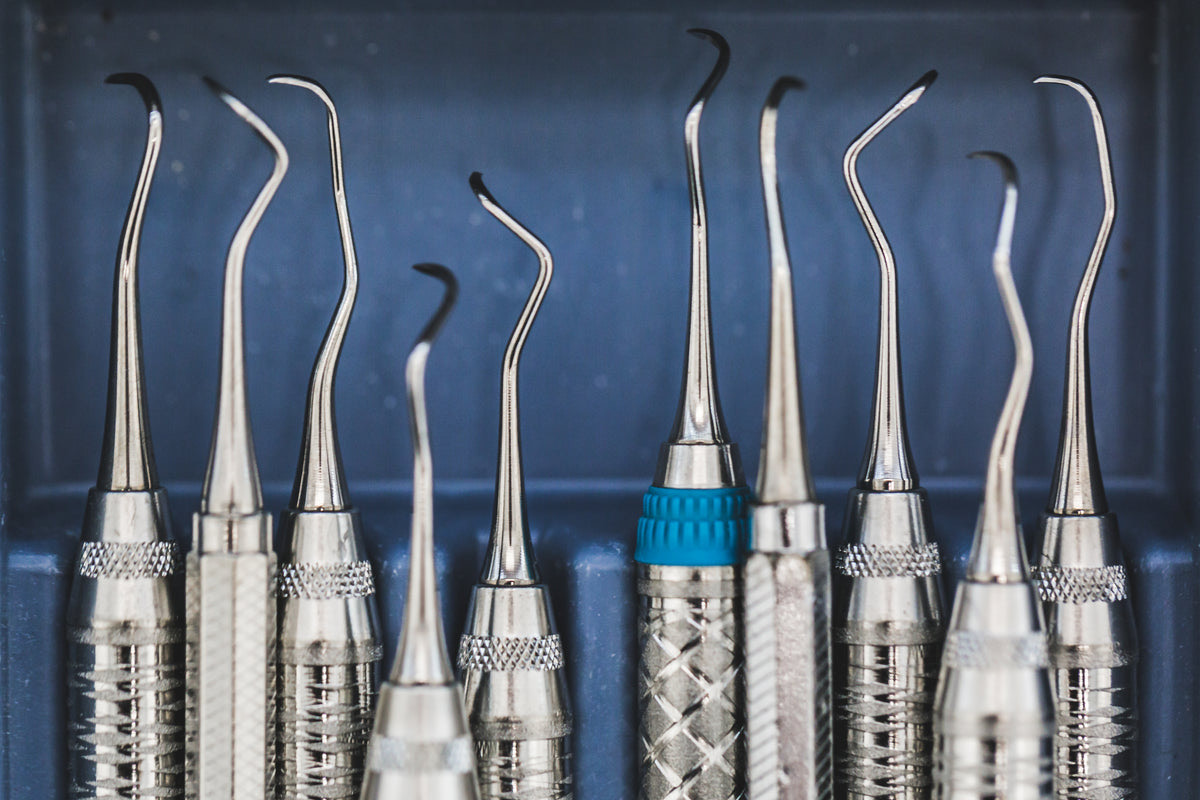
- Minutes 5 to 10 -- the room, explained. Show the chair, the light, the suction; explain each tool before it appears. Nothing in dentistry frightens patients more than an unexplained sound or sensation.
- The exam and cleaning -- narrated. Two-way narration ('I am going to check the lower left now') keeps the patient inside the experience rather than bracing for the next surprise.
- Findings -- plain language, before cost. What was found, what it means, what the options are; the number comes after the plan.
- Checkout -- book the next visit. Schedule before the patient stands up; the front desk then handles payment rather than negotiation.
The three anxiety triggers, defused before the chair
Most first-visit distress traces to three sources, and each has a standard counter-measure:
- Sound. The drill and the suction carry the visit's worst associations. Counter: introduce both before use, at low volume first, and give the patient a stop signal they can trust.
- Cost surprise. Nothing ends a relationship faster than a number that arrives unannounced. Counter: state the estimate before treatment, in writing, and name what insurance is expected to cover -- honestly, including the unknowns.
- Loss of control. Lying back, mouth open, unable to speak. Counter: agree the hand signal at the start and honour it instantly, every time, the first time it is used.
Practices that handle these three explicitly spend far less time managing distress in the chair -- because the patient was never ambushed in the first place.
The checkout conversation that books the next visit
Checkout is where most first visits leak. The patient, relieved it is over, hears a total, nods, and leaves without a date -- and a patient without a date is a patient who has to choose you again from scratch. Reverse the sequence: the next visit is scheduled first, at the chair or immediately after, while motivation is highest, and payment follows as administration.
The wording matters. 'When would you like your next cleaning -- October or November?' assumes return rather than requesting it, and patients rarely refuse an assumption. Hand the patient a card or a text confirmation with the date before they reach the door. Practices that move booking ahead of payment consistently report higher six-month return rates among new patients, because the decision was made once, in the room, instead of twice -- later, alone.
The 24-hour follow-up and the review loop
The visit is still forming in the patient's memory the next day, and one message shapes which version hardens. A 24-hour follow-up does three jobs: checks on them ('any sensitivity after yesterday's cleaning?'), restates the plan and the booked next visit, and invites the review from patients who had a good experience. The message is short, one question, one link -- and the question itself signals that the practice is still thinking about them.
Then close the loop on any treatment that was not completed: one call from the desk within the week, offering the next opening. New patients who leave with unfinished treatment and no follow-up are the group most practices lose silently. The message templates for all of this are in dental appointment reminders in the USA, and the wait-time backdrop to the whole visit is covered in dental practice wait times.
Frequently asked questions
How long should a first dental visit take?
Long enough to examine, clean and explain -- commonly 45 to 60 minutes for a comprehensive first appointment, including the exam and full set of images. Schedule it as a distinct, longer slot rather than squeezing a new patient into a routine cleaning book, which is where first visits turn rushed and hurried visits turn into no-shows at the recall.
What should staff say to a nervous first-time patient?
Orient them and give them control in the first two minutes: how the visit runs, what each tool will feel like, and the hand signal they can use to stop. Nervousness is mostly about the unexplained; a patient who knows what comes next rarely needs managing beyond that.
When should cost come up at a first visit?
After the findings and the plan, and before any treatment begins -- in plain language, in writing, including what insurance is expected to cover. The unannounced estimate at checkout is the single most cited reason a first-time patient does not return, and it is entirely preventable by sequence.
Should I ask new patients for a review at the visit?
Not in the chair. Ask at the 24-hour follow-up instead, when the patient has absorbed the experience and the message itself demonstrates care. Practices that request reviews the moment treatment ends get worse reviews and more awkward refusals than those who invite it a day later.
What is the biggest first-visit mistake practices make?
Leaving the next appointment unscheduled. A new patient who leaves without a date has to choose the practice again from scratch -- and most do not. Book the recall before the patient reaches the door, while the visit is still fresh and motivation is highest.
See SWIQ in action
SWIQ carries the new-patient timeline from pre-visit forms through the 24-hour follow-up, so the first visit is designed rather than improvised.
Launch the SWIQ web app