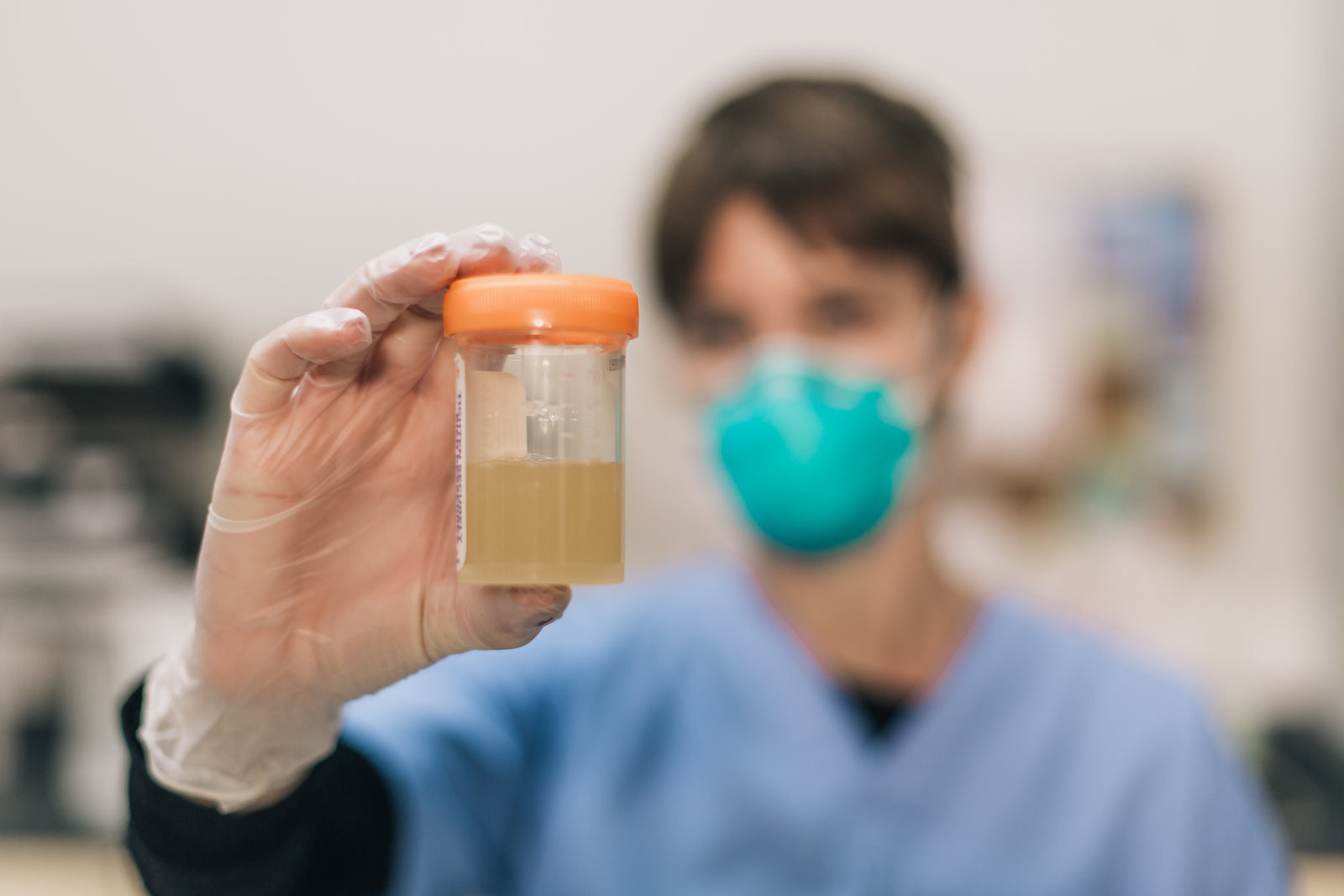
Learning to avoid the queue at a pathology lab for a blood test starts with knowing when the queue forms: fasting samples cluster between roughly 7 and 10 a.m., because diabetic and pre-surgery patients are told to come fasting. Every walk-in joins one line that serves sample collection, report queries and billing together. The fixes are common at chains such as Lal PathLabs and similar labs: home sample collection booked online or by app, where a technician visits you; book-then-collect appointments where the lab supports tokens; and plain timing - a 4 p.m. visit often has no queue at all.
Key takeaways
- Fasting-sample demand clusters between roughly 7 and 10 a.m., which is why morning lab queues form every weekday.
- Home sample collection, offered by Lal PathLabs and major chains, removes waiting-room time entirely - the technician comes to you.
- Where a lab has tokens or appointments, book-then-collect beats walking in; where it does not, ask for a slot anyway.
- Moving a routine test from 8 a.m. to late morning or afternoon can easily save 30-45 minutes on a busy day.
Why the morning lab queue forms at all
The pattern repeats at every busy collection centre. Fasting patients are told to give samples in the morning, so demand bunches into a three-hour window; each sample takes one to three minutes at the counter, but the counter also handles report collection, test bookings and billing queries; and nobody has a token, so the 'line' is a crowd near the desk where position is contested. A patient who arrives at 8:15 for a fasting sugar and lipid profile can easily spend half an hour to an hour in that crowd on a Monday. The hospital-side equivalent has measured results: hospitals running ABHA Scan & Share tokens have reported waits dropping from around 50 minutes to 4-5 minutes. The lab-side version of that saving is smaller but real - skipping a busy morning queue can easily save 30-45 minutes of waiting, which is the honest order of magnitude here. The counting method behind that number is the same one in queue measurement basics.
The other quiet trick is to go on a Saturday if your report is not needed the same day, because weekday mornings are when fasting demand piles up. Where the centre has separate counters for collection and billing, splitting the errand across them is often faster than one long line.
Option 1: home sample collection
Home sample collection is the cleanest fix, and it is standard at major chains: Lal PathLabs and similar labs let you book a home visit online or through their app, and a technician collects the samples at your address. There is no waiting room, no travel and no queue - the 45-minute problem disappears rather than being managed. It suits fasting tests well: the technician arrives in the morning window, and you keep the fasting until the draw rather than spending it in a corridor.
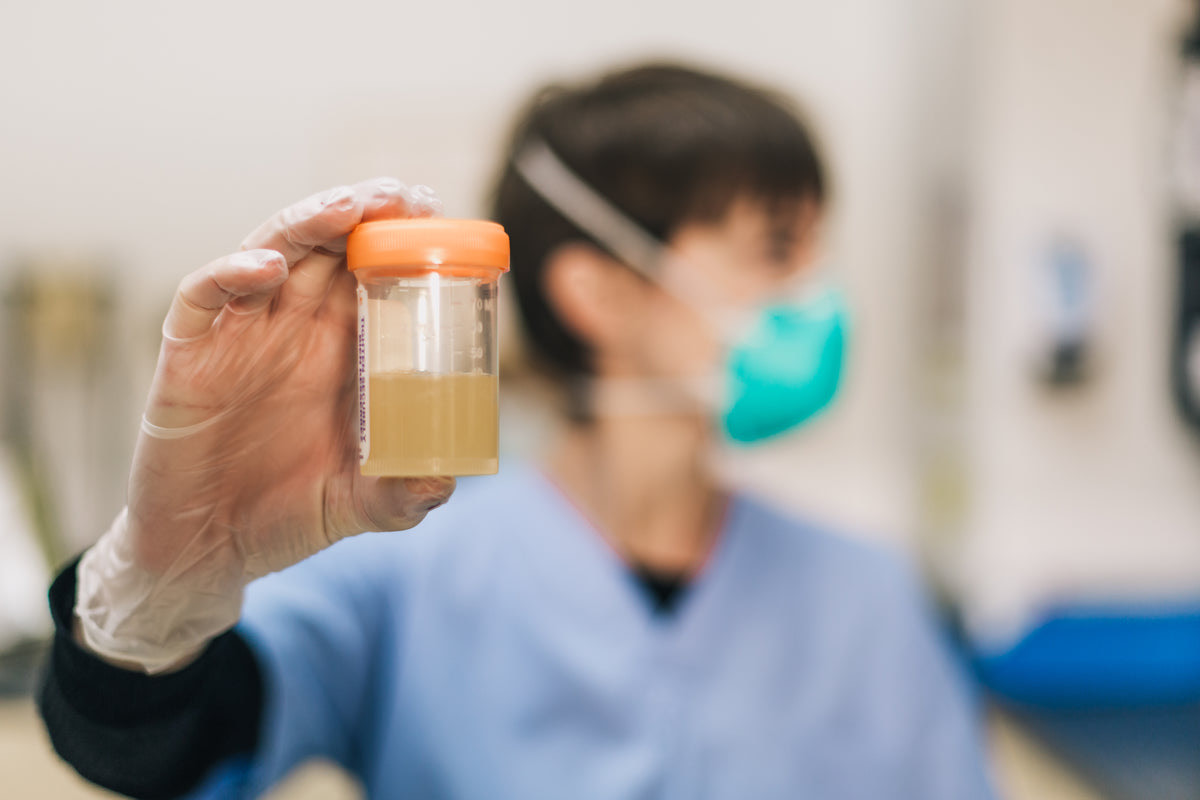
Two practical notes. First, book the visit the previous evening, because morning slots fill in the same three-hour band as the counter queue. Second, this article has no affiliation with any lab - collection coverage, timings and charges vary by city and pin code, so confirm on the lab's official app or website on the day.
Option 2: book-then-collect with a token
Where a lab supports appointments or tokens, book-then-collect beats walking in every time, because the lab knows when you are coming and you know when to arrive.
- Check the lab's app or website (or call the centre) for an appointment slot or token option for your tests.
- Book the slot for a time inside or just outside the fasting window, and note any preparation instructions (fasting hours, medications, previous reports).
- Arrive at the slot rather than early; a token-based lab serves booked patients in sequence, so early arrival just adds queue time.
- Ask at booking how reports will be delivered - download by login is now common and saves the collection trip.
Not every lab has tokens at every centre. Where yours does not, asking for a slot anyway often works, because the staff can usually tell you the day's quiet hour.
Keep the booking confirmation on your phone with the prescription, because many centres ask for both at the same window. Arrive at the slot rather than ten minutes before it, since a booked lab serves in sequence and early arrivals simply join the same crowd. If you need the report before an appointment with a doctor, ask at booking for the fastest turnaround option instead of assuming the next day.
Option 3: beat the rush by timing it
For tests without a strict fasting requirement, timing is the whole solution. Late morning (after 11) and mid-afternoon are typically quiet at collection centres, and Saturday afternoons quieter still; Monday mornings are the worst of the week. Report turnaround barely changes: most routine biochemistry and haematology reports are generated the same day regardless of whether the sample was drawn at 8 a.m. or 4 p.m., so the morning slot buys nothing except the crowd. If a fasting test is required, the practical compromise is an early slot booked the previous evening, or home collection inside the fasting window. Peak-hour planning of this kind is the same discipline retail uses - the details are in diagnostics lab queue management in India.
Fasting tests are the exception, and for those the quietest useful slot is the first one you can book the previous evening. Take a water bottle and a charged phone, because you may still have billing or report queries to handle after the draw. If the centre is busy when you arrive, ask reception which hour has been quietest today - it is a plain operational question that saves the trip.
What to carry, and what to verify
Whichever route you take, a two-minute preparation removes most of the friction at the counter:
- The doctor's prescription - many chains will not draw without it.
- Previous reports for the same tests, so the pathologist can compare trends.
- The lab's booking confirmation or token, on your phone or printed.
- Fasting duration noted honestly - saying 'since last night' when it was since 11 p.m. matters for glucose results.
- Your login for report downloads, set up before the visit rather than after.
Lab processes, collection timings and home-visit coverage change often, and this guide is not affiliated with or endorsed by any lab chain - verify the current details on the lab's official app or website on the day of your test.
Write down your booking reference before you leave home, because the counter cannot look you up by name alone during a rush. If you take medicines in the morning, note them on the form, since some affect common test results. Ask how long the report will take before you pay, so a delayed report becomes a question for the lab rather than a surprise.
Frequently asked questions
How long can home sample collection save me?
On a busy morning it can easily save 30-45 minutes of waiting versus a walk-in draw, and that is before counting travel. The exact saving depends on your city and the lab's morning load - but the waiting-room time is removed entirely rather than reduced.
Which labs offer home sample collection in India?
Major chains including Lal PathLabs and similar networks offer home visits booked online or through their app. Coverage, slots and charges vary by area, so check the lab's official booking page for your pin code before you rely on it.
Do pathology labs have digital tokens?
Some do, usually as a book-then-collect flow where you book a slot online and are served in sequence. Where tokens do not exist, ask the centre for an appointment or simply for its quietest hour - staff usually know.
What is the quietest time to give a blood sample?
Mid-morning after 11 and mid-afternoon on weekdays, and Saturday afternoons. Monday mornings and the 7-10 a.m. fasting window are the busiest. Most routine reports are generated the same day regardless of collection time.
See SWIQ in action
SWIQ gives labs a live token queue and online booking so even the morning rush runs in order - launch the SWIQ web app to see the flow.
Launch the SWIQ web app