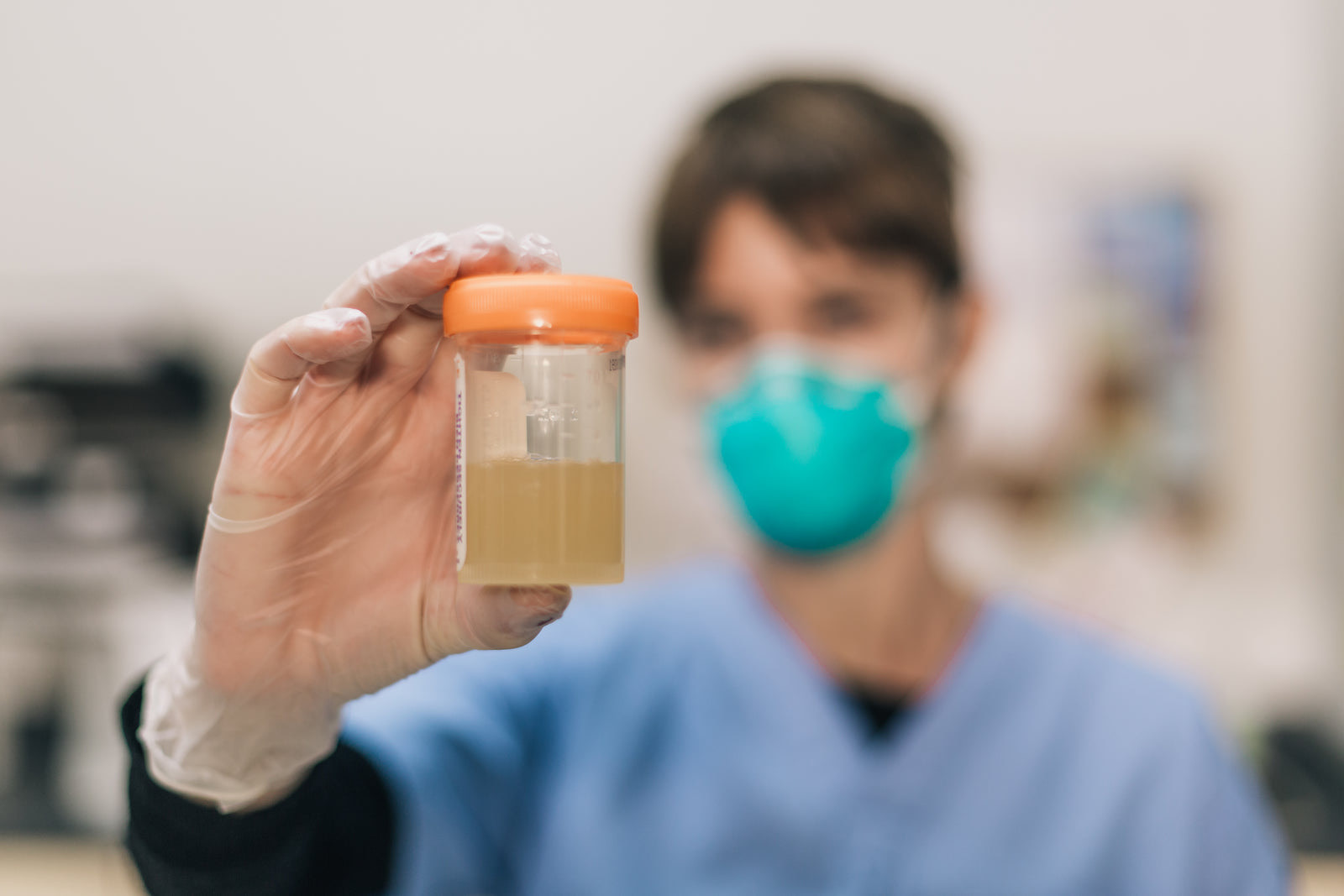
Most diagnostics lab queue India problems are not caused by the analyser; they happen before the blood is drawn. Fasting patients arrive in one wave between 7 and 10 a.m., registration and collection share the same counter, and report pickup later adds a second crowd to a space designed for the first. What results is a wait that has little to do with testing capacity. This guide walks through the morning rush, the counter layout, five moves for the collection desk, and four numbers that show whether any change helped.
Key takeaways
- Fasting and work timings compress most of a lab's daily samples into three morning hours, so staff the hours, not the day.
- Split book-in, payment and draw into three marked positions; one shared desk triples the steps every patient repeats.
- Batch home-collection deliveries at fixed times instead of accepting them one at a time all morning.
- Deliver reports by WhatsApp and keep a separate pickup window, so report collection never blocks a test registration.
- Track door-to-draw time and promised-turnaround delivery weekly, because only the first number exposes the queue itself.
Where the diagnostics lab queue India forms before the analyser runs
The first wave arrives for a reason that has nothing to do with your equipment: most blood tests are prescribed to be fasting, so patients come before breakfast and before work. Between 7 and 10 a.m. a neighbourhood lab can see close to half its daily sample volume, and the same hours carry OPD referrals that families bring along on the way to somewhere else. Walk-ins who never booked add to the wave, and home-collection phlebotomists arrive with batches from the overnight calls.
Then the counter layout decides whether that wave becomes a queue. Where registration, payment and collection sit at one desk, every patient passes through the same pair of hands three times: details entered, bill raised, seat assigned. A phlebotomist who stands to take an ID proof loses the minute the next draw needed. Repeated forty times, the pattern produces the familiar scene -- a line at the door, empty chairs inside, and nobody able to say whose turn it is.
The second crowd appears in the afternoon for reports -- a different problem wearing the same face. Patients who came for a test understand a wait; patients who came only for a slip wait in a space never designed for them. Good lab queue management treats the collection rush and report pickup as two flows with two counters, because merging them doubles both waits.
Designing a collection counter patients can read at a glance
Start with the physical sequence: book-in, payment, draw, exit. Each step needs its own marked position, and the patient should never ask where to go next. A numbered slip printed at book-in is the cheapest tool available -- it ends disputes about order, gives the phlebotomist a call list, and lets a waiting patient sit down instead of standing beside the chair.
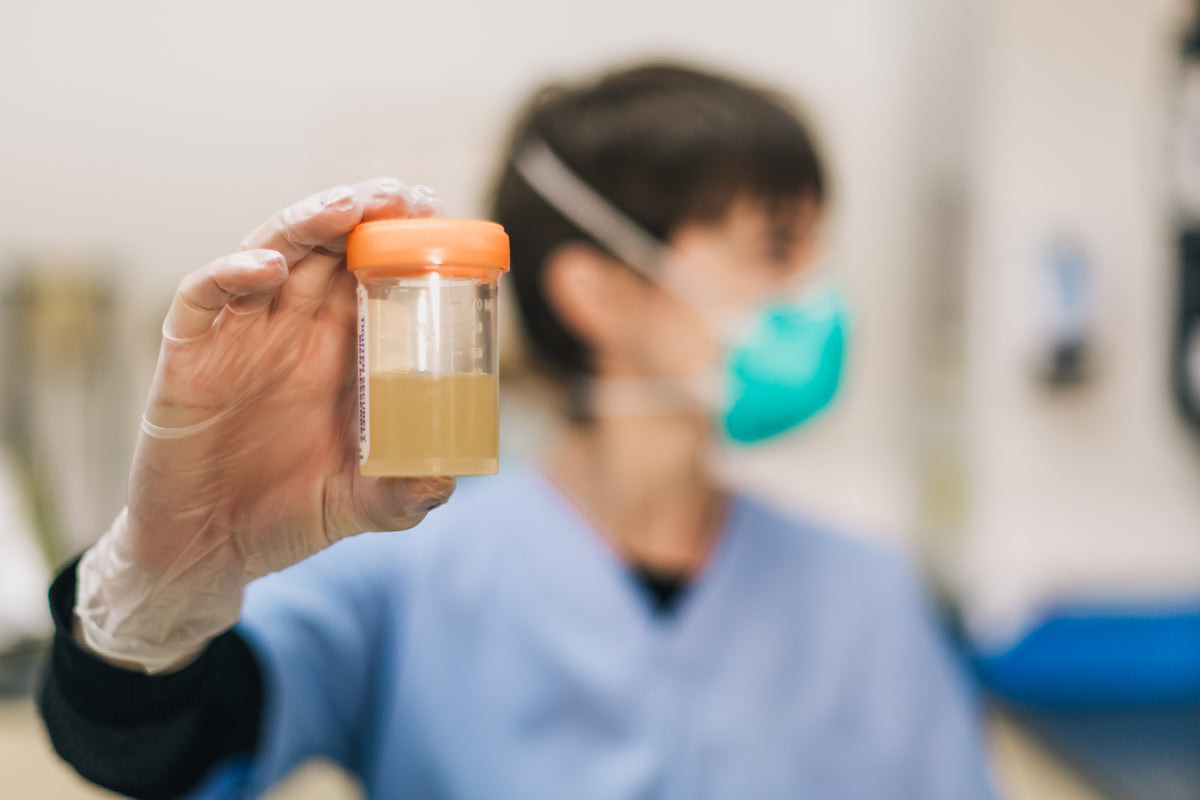
Seating matters more than signage. Arrange chairs so everyone can see the display or hear the token, and keep the seats nearest the draw station for elderly patients and children, who otherwise stand at the curtain and block the phlebotomist's path. Separate the draw curtain from the registration desk by at least a screen; privacy hesitations delay draws, and hesitation at the chair shows up as a queue at the door.
One detail worth copying from banks and salons in India: put the completed-slip tray where the phlebotomist can drop a finished slip without turning around. Small hands-free steps compound during a rush. A second, identical tray for corrections -- tubes without labels, forms without signatures -- keeps rework from interrupting the flow of drawing.
Five moves that shorten the sample collection rush
None of this needs new machines. The following changes can be running next week with the staff you already have:
- Open the second draw station before the rush, not during it. A second chair and phlebotomist between 7:30 and 10 a.m. usually does more than a new analyser, because the bottleneck at that hour is hands, not instruments.
- Batch the home-collection arrivals. Ask partners to deliver at fixed times -- say 8:30 and 9:30 -- instead of trickling in, so the receiving desk processes twenty tubes twice rather than twenty tubes one at a time.
- Split payment from collection. UPI QR codes at the book-in desk let patients pay without occupying the phlebotomist's terminal, which is the most common cause of a stalled draw chair.
- Pre-fill what the patient already told you. Online booking or WhatsApp pre-registration the evening before means the morning desk copies rather than types, and copy errors fall with it.
- Call tokens in threes. One patient at the chair, one preparing, one settling the bill -- the curtain stays busy without a crowd pressing around it.
Run the five for one normal week, then read the same morning numbers again on a comparable weekday. If door-to-draw time has not moved, the constraint was never the counter -- look upstairs at referral scheduling.
Keeping report pickup out of the collection queue
Report collection deserves its own channel because most of those visits are optional: a large share of patients who come only for a slip could have been told their report was ready another way. The progression below is the order labs adopt it in, cheapest first, and each step removes people from the afternoon counter rather than asking the counter to work faster. Labs that complete all five usually describe the same effect: the afternoon rush spreads evenly across the whole pickup window instead of concentrating at the closing hour.
The final piece of the pickup window is a promise you can keep. Quoting four hours and delivering six trains patients to arrive late and wait anyway; quoting honestly and hitting it lets families collect on the way home instead of guarding the afternoon. Turnaround is a queue-setting number: it decides how many people show up, not just how quickly they are served once they do. Labs that publish an honest per-test turnaround typically find the afternoon counter empties on its own, because patients stop arriving early to guard against uncertainty.
- WhatsApp delivery of the PDF once the report passes verification, which removes most counter visits outright.
- A dedicated pickup window separate from the collection counter, staffed when the afternoon arrivals usually land.
- A token for report collection on busy days, so slip-only visitors do not block test registrations.
- A ready-list at the door showing which report numbers are prepared, for patients without smartphones.
- Clear retention signage on how long reports stay available and how late copies are requested, which cuts repeat trips.
Four numbers worth watching every morning
Measure for two weeks first, so a festival-week spike or a wedding-season health package does not read as a trend:
- Door-to-draw time. Token issued to sample taken, read as a median and as the worst hour of the morning rather than as a daily average.
- Counter wait by desk. One desk consistently slower than the rest means a process problem; all three slow together means a layout or staffing problem.
- Reports delivered within the promised time. The share that matches what the lab actually quoted, which decides whether patients arrive early or on time.
- Rejected or repeated samples. Each one is a patient sent home or redrawn -- a quiet sign that speed is being taken from the wrong step.
Two weeks of these numbers usually show whether the problem sits in the layout, the staffing pattern or the promise itself, and which of the three a small lab can fix without spending. Write the four on a sheet at the book-in desk so the morning team can see them between patients. For the measurement discipline behind medians, percentiles and sampling, see patient wait time tracking; for how registration and pharmacy queues interact with diagnostics inside hospitals, hospital queue management in India covers the full route.
Frequently asked questions
How many collection seats does a small diagnostics lab need?
One seat handles roughly six to eight simple draws an hour, so a neighbourhood lab doing eighty morning samples usually needs two rather than one. The better test is your own door-to-draw time: if it climbs past twenty minutes after 8 a.m., the typical diagnostics lab queue India setup has run out of hands at the chair, and a third registration desk will not help.
Should patients book slots for blood tests?
For fasting panels, yes -- fifteen-minute windows between 7 and 10 a.m. flatten the wave without turning away walk-ins, who get the next open slot. Slot booking helps most where tests are planned and repeat visits are common; same-day samples should always keep a direct path to the chair regardless of the schedule.
What is a reasonable report turnaround time?
Commonly quoted ranges in Indian labs run from same-day evening for routine haematology to 24 to 48 hours for specialised panels, with pathology slides taking longer still. Quote the honest figure per test rather than one optimistic promise for everything, because patients plan around the number you publish and arrive accordingly.
Do I need a token machine, or is a register enough?
Below about forty patients a morning, a numbered register read aloud works if someone owns it. A dispenser and display earn their cost when disputes about order start costing staff time, when report pickup joins the same waiting area, or when you want the daily door-to-draw numbers without writing them up by hand.
How do I handle report pickup during festival season?
Move report delivery forward, not the counter: send PDFs on WhatsApp the evening before, keep one pickup window staffed through the festival days, and post the ready-list at the door. Festivals change when patients arrive more than how fast you draw; the calm counters are the ones that told people the report was already waiting.
See SWIQ in action
SWIQ gives diagnostic labs numbered tokens, WhatsApp report-ready updates and a daily door-to-draw report, so the morning rush becomes a number you manage instead of a line you endure.
Launch the SWIQ web app