EV charging station booking systems must solve a specific problem: drivers need guaranteed charging time at specific stations, but charging sessions vary in duration based on vehicle battery capacity, charger speed, and energy needs. Without reservation systems, drivers face uncertainty and wait times that undermine EV adoption.
Key takeaways
- EV charging requires time-slot booking, not just station availability.
- Real-time status tracking prevents reservation conflicts and overcharging.
- Payment integration must handle variable session lengths and energy pricing.
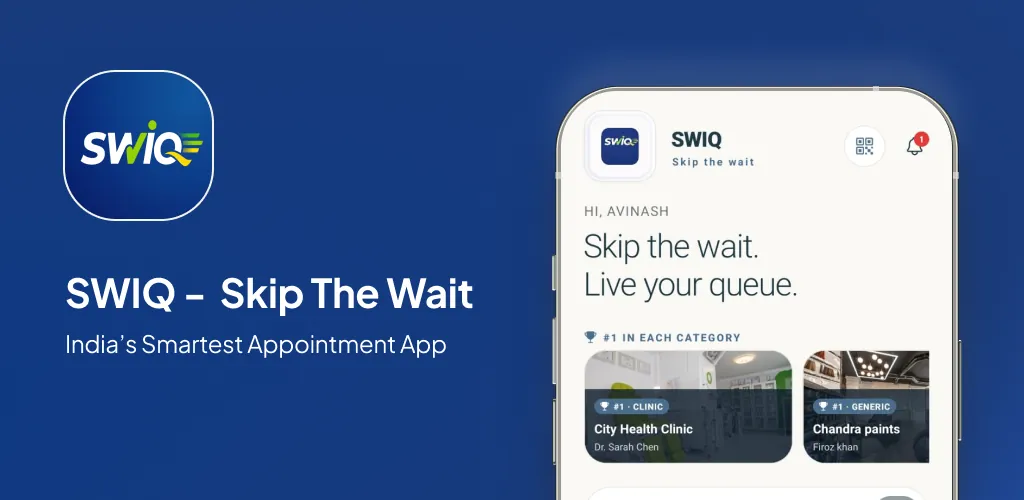
- SWIQ provides the slot management and real-time tracking charging stations need.
Why EV charging needs smart booking
EV charging stations have fixed capacity: each charger can serve one vehicle at a time, sessions last 20 minutes to several hours, and drivers need certainty about availability before traveling to a station. Walk-in only models create queues, uncertainty, and frustrated drivers who cannot charge when needed.
Booking systems that only show "available" or "occupied" miss the nuance of EV charging: a station may be available in 15 minutes, partially charged, or reserved for a specific time slot. Drivers need precise availability information to plan their charging routine.
Slot reservation and time management
Slot reservation allocates specific time blocks at specific chargers. Drivers reserve a 30-minute or 60-minute window based on their charging needs. The system prevents overlapping reservations and manages buffer time between sessions for safety and station maintenance.
Time management must account for different charger speeds (Level 2 vs. DC fast charging), vehicle compatibility, and session extension requests. SWIQ's shift-based scheduling adapts to these requirements by supporting configurable slot durations and capacity rules per station type.
Real-time availability and payment integration
Real-time availability tracking shows current station status: available, charging, reserved, or offline. This data updates automatically as sessions start, complete, or encounter technical issues. Drivers see accurate availability before booking and during their session.
Payment integration handles variable session costs based on energy consumed, time used, and pricing tiers. Pre-authorization, session tracking, and automatic billing reduce friction. SWIQ's booking confirmation and notification system supports the payment workflow while keeping drivers informed of session status.
How SWIQ serves EV charging operations
SWIQ's provider-controlled availability and slot-based scheduling translate well to EV charging operations. Station managers publish available time slots, drivers reserve specific windows, and the live dashboard shows current station status across the network.
The platform handles the mix of reserved slots, walk-in availability, and maintenance windows that charging stations manage. Staff accounts give station operators control over their equipment while network owners maintain enterprise visibility across locations.
Practical next step: audit your charging stations by type, speed, and compatibility. This data determines your booking rules and slot configurations before launching your reservation system.
Frequently asked questions
What features should an EV charging booking app include?
An EV charging booking app should include slot reservation with time limits, payment integration, real-time station availability, and energy management features.
How does real-time availability work?
Real-time availability tracks charging station status (available, charging, reserved, offline) and displays current state to users. The system updates automatically as sessions start, complete, or encounter issues.
Can SWIQ manage EV charging bookings?
Yes. SWIQ supports slot reservation, real-time availability tracking, payment processing, and station management that adapts to EV charging operations.
See SWIQ in action
Explore provider-controlled availability, QR booking, live tokens, delay tracking, staff access, and enterprise dashboards.
Launch the SWIQ web app