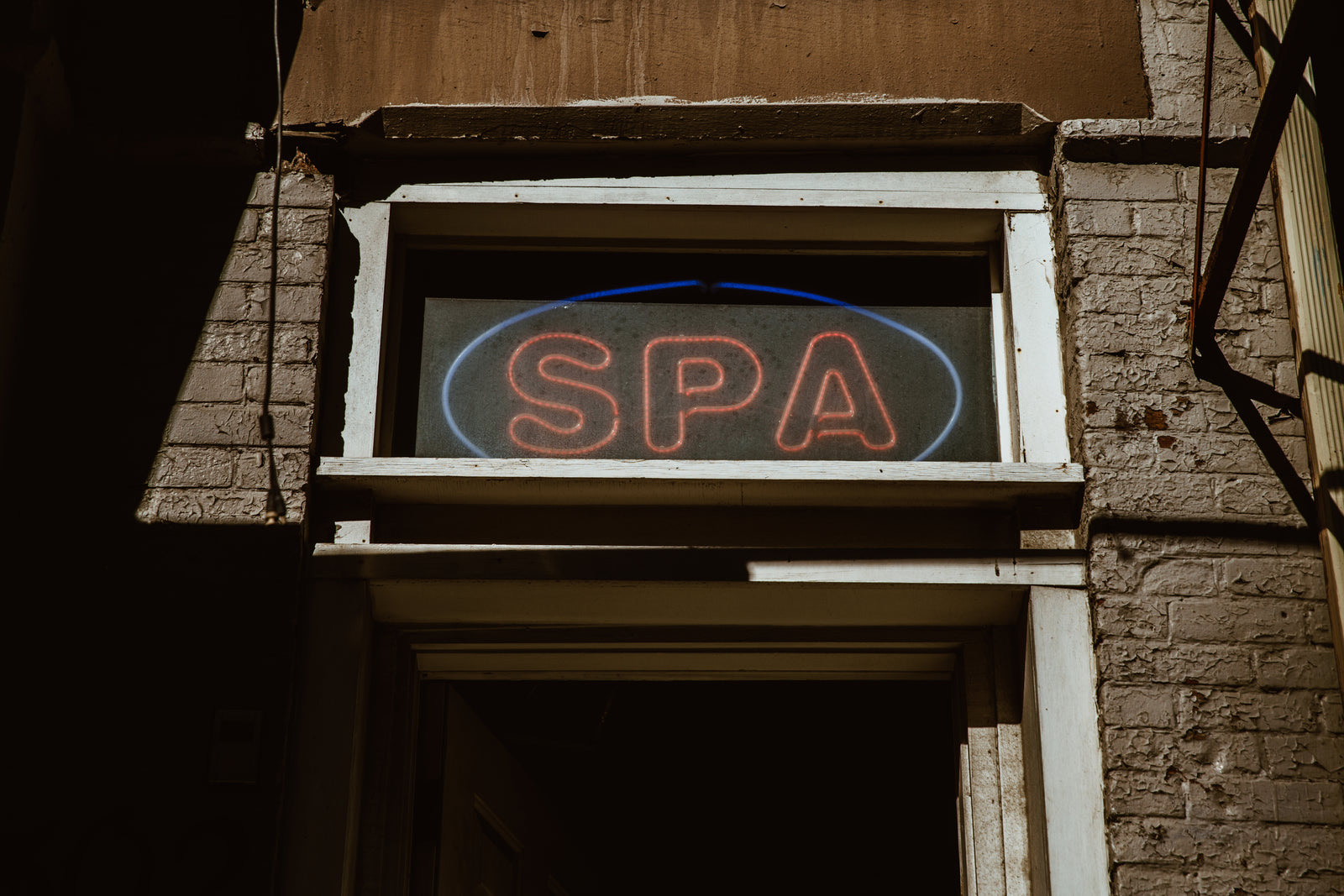
Spa walk-in management India is a balancing act with two honest truths pulling against each other: a spa's neighbourhood reputation is built on the guest who walks in off the street, and its revenue stability comes from the appointments made a week ahead. Get the balance wrong in either direction and the damage shows -- refuse walk-ins and the pipeline dries up; absorb them at any moment and the booked guest finds their 4 p.m. massage starting at 4:35. The rules below keep both.
Key takeaways
- Protect the booked slot first: a guest who travelled for a confirmed appointment must never lose it to a doorstep arrival.
- Give walk-ins a real wait number and the freedom to leave -- a lobby is not a queue you have to hold.
- Manage therapist capacity, not reception: therapists are the actual constraint, and reception is only its messenger.
- WhatsApp turn updates shrink your lobby without shrinking your business -- guests return when they are close.
- Monsoon, festival and wedding seasons are predictable; build the walk-in rules around them before they arrive.
The Indian spa walk-in reality
Indian day spas and salons run at far higher walk-in ratios than the appointment-first playbooks assume. A guest walks in after shopping, after an office lunch, after seeing the board outside; groups of two and three arrive together; and in tier-1 and tier-2 cities alike, a walk-in is often the first visit that converts into a weekly or monthly ritual. Refusing them to protect the book would be saving the schedule by killing the business.
The cost of unmanaged walk-ins lands on the booked guests. One 'can you take her now?' at reception moves the 4 p.m. slot, the therapist runs over, the next guest waits in a robe, and the complaint that follows is about the appointment -- not the walk-in. Management here means sequencing the two streams so neither has to apologise to the other.
Separating walk-ins from bookings without saying no
The separation is invisible to the guest and structural in the system. Four rules do the work:

- Booked slots are closed slots. A confirmed appointment holds its therapist and room; walk-ins fill the gaps around it, never the gaps inside it.
- Walk-ins get a token and an honest number. 'About 40 minutes, or I can text you when a therapist frees up' -- a real answer, offered twice: wait here, or wait elsewhere.
- Two streams, one visible order each. A small board or the tablet at the desk shows the next appointment and the next walk-in separately, so nobody believes they are in the wrong line.
- Same-service preference, quietly. When a therapist finishes a massage, the next massage guest -- booked or walk-in, by order -- takes her, rather than whoever is standing closest.
Therapist capacity is the real queue
Reception is not the constraint; therapists and rooms are. A spa with three therapists and four treatment rooms can only ever run three services at once, and every scheduling decision is really a decision about therapist hours. Spas that manage the front desk while ignoring therapist capacity end up with a calm desk and an angry treatment floor.
Two implications follow. First, walk-in acceptance should be driven by live therapist availability rather than a policy written in the morning -- the desk needs a way to see who is free and when, rather than guessing. Second, breaks, training and product runs should be scheduled into the therapist grid explicitly; an unplanned fifteen-minute gap at 3 p.m. is a booked 3 p.m. appointment running late at 3:20. Capacity you can see is capacity you can sell.
Wedding season, weekends and the monsoon
Indian spa demand is seasonal in ways that should be scheduled rather than survived. Wedding season concentrates bridal and family bookings weeks ahead and produces groups arriving together; festival weeks shift both appointment demand and staff availability; weekends carry the office crowd; and monsoon suppresses weekday footfall in some cities while intensifying it in others. Each pattern argues for a different walk-in posture.
During predictable peaks, tighten the walk-in rule: tokens with longer honest estimates, and remote joining so guests wait at home. During soft weeks, loosen it -- walk-ins are cheap to accept when therapist capacity is idle, and a guest taken on short notice in a quiet week is disproportionately likely to return. The posture should be a dial the manager turns weekly, not a wall fixed once.
A token flow that works in a small spa
- Greet and triage at the desk. Service wanted, duration, and whether a therapist is free now or after the current session -- three questions, under a minute.
- Issue the token with two numbers: position in the walk-in order, and an honest wait estimate derived from the last completed service.
- Capture the phone number every time -- even for guests who choose to wait in the lobby, so a shift in the queue can reach them.
- Send the turn update: 'your therapist frees in about 15 minutes' when they are two away, so the guest can finish their errand.
- Protect the booked guest visibly: at check-in, confirm the appointment and state the therapist's name -- the reassurance that says their slot was held.
- Log both streams weekly: walk-ins taken, walk-ins lost, booked guests delayed -- the three numbers that show whether the balance is right.
When a walk-in is blocking a booked guest
Despite the rules, the collision happens: a walk-in massage runs long and the 5 p.m. appointment is waiting. Handle it with three moves, in this order. Tell the booked guest immediately and specifically, with a new time they choose -- never let them discover it. Offer something of value while they wait: the lounge, a refreshment, or a small complimentary add-on the spa can afford. And absorb the error internally: the therapist's overrun gets logged as data, because one collision is an accident and the same collision twice a month is a scheduling rule that needs changing.
Recovery is where spas earn loyalty, not where they lose it -- a guest whose delay was handled honestly often returns more trusting than one who was never delayed at all. The wider walk-in framework behind this guide is in walk-in management for spas, and the reminder chain protecting the bookings themselves is in spa appointment reminders in India.
Frequently asked questions
Should Indian spas accept walk-ins during peak hours?
Yes, but through the token queue rather than by interrupting bookings. Give walk-ins an honest estimate and the option to join remotely, and fill gaps between appointments rather than slots inside them. The goal is not fewer walk-ins; it is walk-ins who never displace a confirmed guest.
How long a wait should a walk-in spa guest be offered?
Quote the real number -- commonly the time until the current service ends plus turnover, often 20 to 45 minutes at busy hours -- and always offer the alternative: a message when a therapist frees up. Guests accept long waits far better than vague ones, and most prefer to spend that time elsewhere.
Who should the next available therapist take first?
Whichever eligible guest comes first in order -- booked or walk-in -- with the booked guest's confirmed slot always holding priority for their own therapist. The rule should be written at the desk, because 'whoever is standing there' teaches both streams that the order is negotiable.
How do I manage spa walk-ins without a receptionist?
A tablet or phone-based token queue at the desk, a printed wait estimate the guest reads on entry, and WhatsApp turn updates that reach them wherever they wait. Even a small spa with two therapists can run this from one device; the receptionist's job gets easier rather than disappearing.
Does taking walk-ins hurt spa revenue?
Uncontrolled walk-ins do, by delaying booked guests who then do not rebook. Controlled walk-ins -- tokens, honest estimates, gap-filling -- usually add revenue, because they convert idle therapist hours into services without ever touching the confirmed appointment book.
See SWIQ in action
SWIQ keeps two honest queues -- bookings and walk-ins -- with WhatsApp turn updates, so both streams arrive at the right moment.
Launch the SWIQ web app