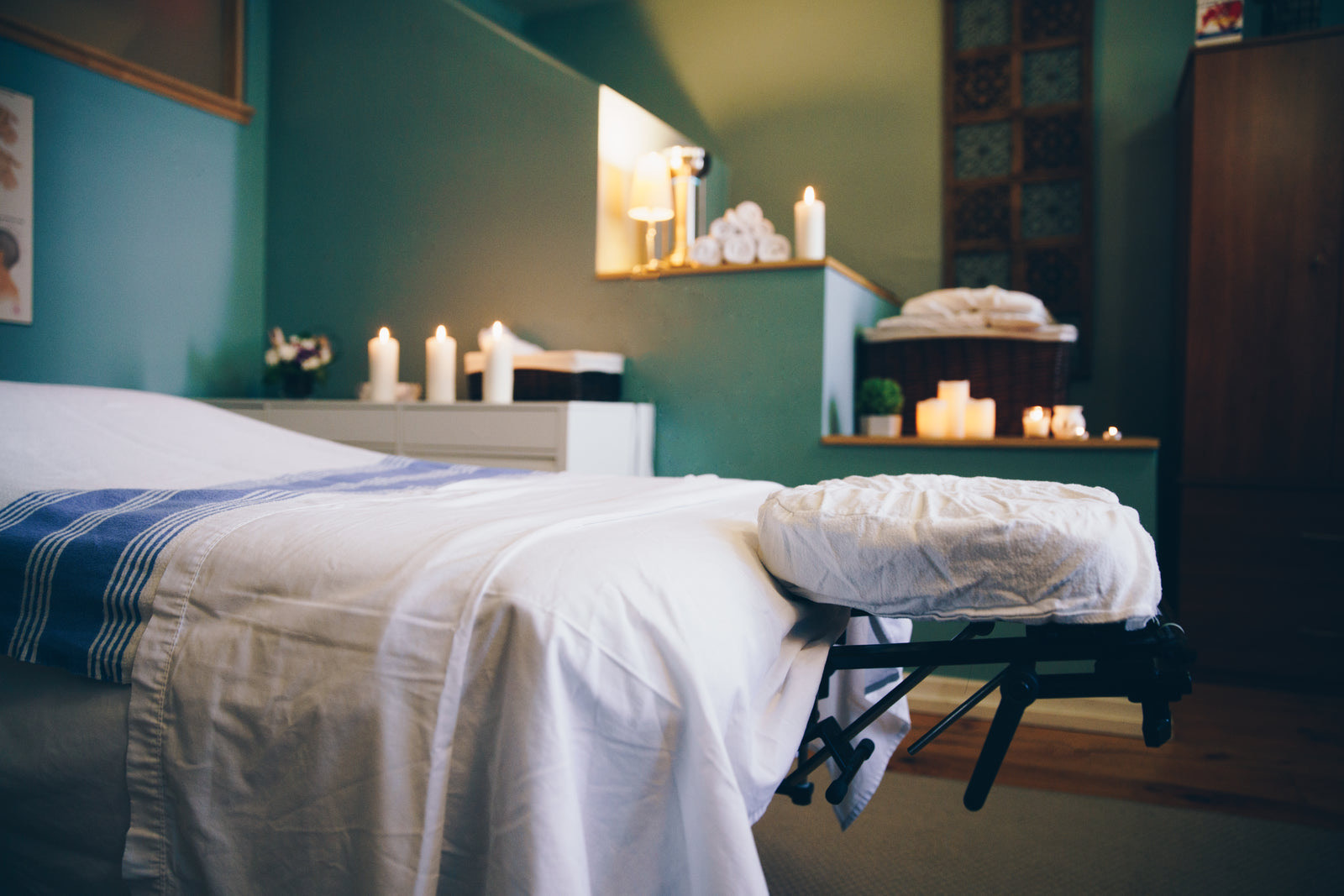
Spa wait time reduction is unusually gentle work: unlike a clinic or a bank, a spa cannot rush the service itself without breaking the product. What can change is everything around the treatment -- how the guest arrives, how the room turns over, how the wait is explained, and how the schedule absorbs the unexpected. Twelve changes below, ordered from biggest impact to smallest, most of them free. A US spa can implement the first six in a single quiet Monday.
Key takeaways
- Measure the wait before touching anything; most spas discover the delay sits in turnover, not treatment.
- Protect the confirmed appointment first -- a guest who loses a booked slot to a walk-in does not return.
- Quote honest waits at the desk; vague reassurance is what turns ten minutes into a felt insult.
- Room turnover and product prep are schedulable: book them like appointments and the drift stops.
- Offer the waiting guest somewhere better to be -- a message when the room is ready beats a hard chair.
Why a spa wait feels worse than it measures
The spa promise is decompression, and waiting is the opposite of it. A guest who sits in street clothes for twenty minutes has been quietly told that the relaxation they paid for starts when someone else finishes -- before the treatment has begun, the mood is already broken. This is why identical clock time produces harsher reviews at a spa than at a dental office: the setting sets an expectation the delay violates.
Spa waits also have a specific anatomy. The guest rarely waits long for reception; they wait for the room to turn over, for the therapist to finish the previous service, or for the payment and consultation steps that sandwich the treatment. Those stages are each only minutes long, which means the fix is choreography rather than capacity -- and choreography is cheap.
Twelve small changes, biggest impact first
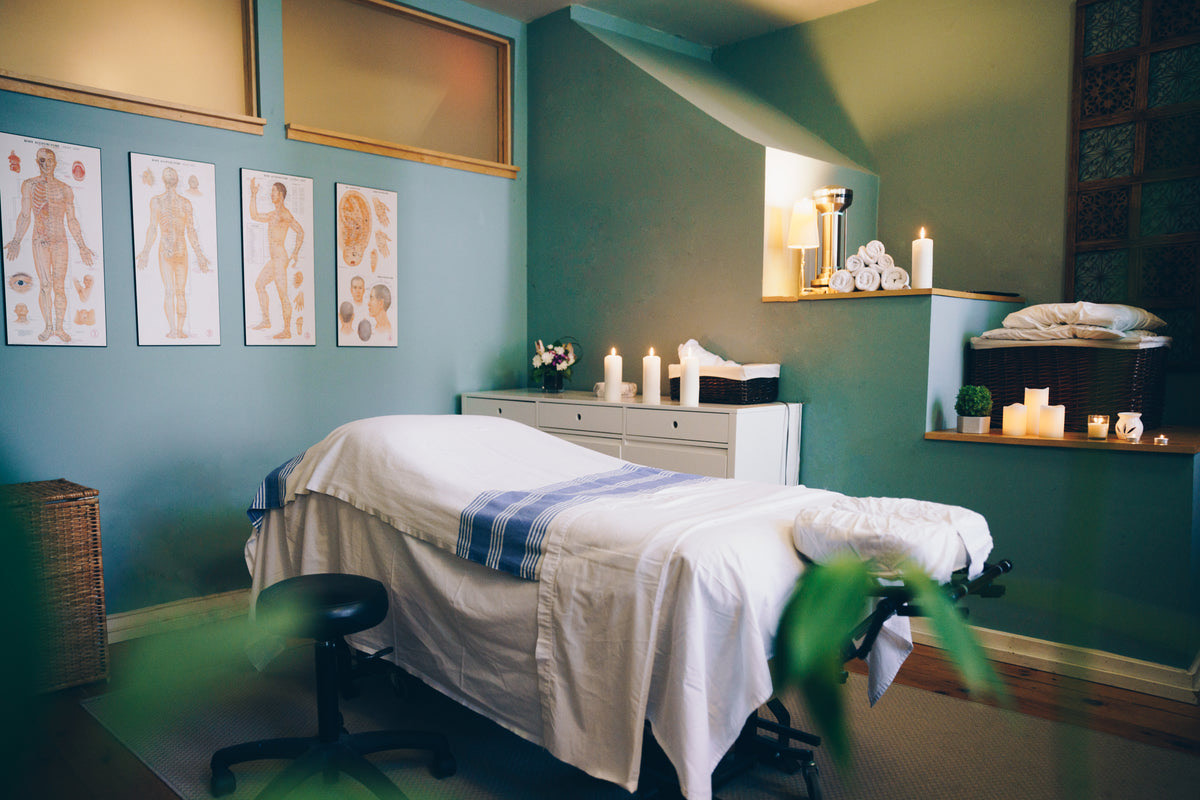
- Measure one week first. Arrival to roomed, roomed to therapist, therapist to next guest -- two timestamps each. Fix the stage with the largest number, not the loudest complaint.
- Protect the confirmed appointment. The booked guest's room and therapist are held; walk-ins and gaps fill around them, never inside them.
- Book turnover time. Linens, room reset and therapist transition are minutes of work pretending to be zero. Schedule them and the following guest stops inheriting them.
- Stagger arrivals by 10 to 15 minutes. Back-to-back starts guarantee a reception pile-up and a rushed room reset.
- Quote the honest wait at the desk. 'Your room will be ready in about 15 minutes' beats 'any minute now' every single time.
- Send turn notifications. A text when the room is three guests away lets the guest finish their coffee instead of occupying your lounge.
- Collect intake ahead. Health forms, pressure preferences and intake paperwork by link the night before, so the chair time starts with the treatment.
- Complete payment before the treatment. Checkout after a massage is when the queue forms at the desk -- and when the guest's afterglow meets an invoice.
- Split consultation from treatment. The first-visit consultation deserves its own five minutes rather than stealing them from the next guest's slot.
- Assign a room owner per shift. One named person is responsible for room readiness and calling the next guest; diffuse ownership is why rooms sit empty while guests wait.
- Set a lateness rule and publish it. A late guest's service shortens or moves by written policy, so the desk never improvises at 4:40 p.m.
- Review four numbers weekly. Median wait, 90th percentile, walkouts, and rooms idle while guests waited. Fifteen minutes, every Monday.
The turnover problem between treatments
Room turnover is where spa waits are actually manufactured. The previous guest lingers over payment, the therapist finishes notes and washes, the linens go out and the fresh set has not arrived -- and the next guest, early and expectant, watches a room that looks empty. None of this shows up in the therapist's schedule, because nobody booked it.
The fix is dull and effective: name the turnover minutes in the grid. Five to ten minutes between services, owned by a specific person, with the fresh linens, oils and towels staged before the previous guest leaves. Spas that book turnover report two effects at once: the next guest is seated on time, and the therapist gets a sanctioned pause rather than a squeeze -- which matters for retention in a trade where back-to-back physical work ends careers early.
Communicating the wait without breaking the calm
Spas correctly avoid the chirpy retail style of queue announcements, but silence is not the same as calm. The right register is low, specific and proactive: a quiet word at check-in with a real number, an unscheduled update if the number slips, and an invitation rather than an instruction -- 'the room will be ready shortly; please make yourself comfortable, or I will text you when it is.'
Two further touches fit the setting. Offer the guest something while they wait -- water, tea, a place away from the door -- because hospitality during a wait is what separates a spa from a waiting room. And never let the delay be discovered: the guest who has to ask twice has already had the experience judged.
Booking rules that prevent the crush in the first place
Most spikes are visible on last year's calendar: holiday weeks, Valentine's and Mother's Day, prom season, the wedding-season Saturdays. Two decisions made weeks ahead handle them. First, open booking for the predictable peaks to existing guests earlier than to the public, so your regulars are not squeezed out by the seasonal rush. Second, add therapist hours for exactly those windows -- usually by offering a favoured part-timer extra shifts rather than a permanent hire.
The everyday rule underneath: keep a small number of slots unbooked until 48 hours ahead for rebooking and late arrivals, and hold the last appointment of each service block as the buffer. Those two habits absorb the ordinary disruptions without touching any confirmed guest. The policy framework for the no-show side of this is in spa no-show policies, and the measurement method sits in customer wait time.
This week's sequence
Monday: run the two-timestamp measurement and write down the three stage times. Tuesday: publish the honest-wait instruction at the desk. Wednesday: add turnover minutes to the schedule grid. Thursday: stagger arrivals and protect the confirmed appointment in the booking rules. Friday: turn on turn notifications by text for guests who leave the premises. The following Monday, review the same three numbers and keep only what moved.
None of the first six changes requires new furniture, new staff or new software -- which is exactly why they are worth doing first. When the paper version starts straining, that is the moment to automate the queue and the notifications; until then, the discipline is the product. The wider frame for queueing in this setting is in queue management for wellness centers and walk-in management for spas.
Frequently asked questions
How long should a spa guest wait before it becomes a problem?
For a confirmed appointment, seating or rooming within 10 minutes of the booked time is a sound target; past 15 to 20 minutes, guests begin describing the visit as a wait. For walk-ins, a longer wait is acceptable when it is quoted honestly at the door and the guest can choose to wait elsewhere until called.
What causes most waiting at US day spas?
Room turnover and therapist transition rather than treatment length. The previous guest's payment and notes, linens and room reset, and the therapist moving between rooms routinely consume 10 to 15 minutes that nobody scheduled -- and the next guest inherits all of it as wait time.
Should spas book turnover time between treatments?
Yes, five to ten minutes in the grid, owned by a named person. It is the single highest-impact scheduling change available: the next guest is seated on time, and the therapist gets a sanctioned pause instead of a back-to-back squeeze that neither the schedule nor the body can sustain.
How do I tell a waiting guest the room is running late?
Low, specific and early: 'your room needs about 15 more minutes -- I will text you the moment it is ready,' plus something to drink while they wait. The guest who discovers the delay by asking twice has already had the experience judged; the guest who is told first usually does not mind at all.
When is a spa queue actually a software problem?
When staff cannot keep the wait current during busy hours, when guests want turn notifications you cannot send by hand, or when you want last Saturday's numbers and nobody recorded them. Until the paper discipline is straining, the measurement and the instruction at the desk do most of the work.
See SWIQ in action
SWIQ tracks the three wait stages, sends room-ready texts and keeps confirmed appointments protected -- this week's sequence on autopilot.
Launch the SWIQ web app