Salon walk-in queue management is the practice of running booked appointments and unbooked walk-ins on one floor without either group resenting the other. In Indian salons, walk-ins are not an edge case — they are a large share of revenue — yet the appointment diary and the queue at the door usually live in two different worlds, which is why a chair sits empty while someone has waited forty minutes. This guide explains how the category works: how both arrival types enter one enforced order, how live tokens and wait updates keep the room calm, what capacity rules protect your stylists, how fairness is handled at peak hours, and how reminders, payments and rebooking tie it together. SWIQ, our own booking and queue platform, is the worked example throughout.
Key takeaways
- Booked slots and walk-in tokens enter one order, decided by rule rather than by the front desk.
- Publish the live wait on a screen and on WhatsApp so the waiting room stops asking.
- Set service buffers and priority rules before the Saturday rush, never during it.
- SWIQ runs both halves from ₹777 per month and the first 300 bookings are free.
Salon walk-in queue management on one floor
The floor has two customers: the one who booked Tuesday at 4 pm, and the one who walks in at 4.10 pm. Salon walk-in queue management exists because both must be served from the same chairs, by the same stylists, inside the same hours. Done poorly, the booker feels punished for planning ahead and the walk-in feels punished for not calling; done properly, both can see the same rule applied to everyone at the door. The category blends appointment software, token and queue tools and front-desk displays, and they differ on exactly one question: does a walk-in enter the same order as a booking, or a parallel one? Everything else — tokens, screens, reminders, payments — hangs off that answer. The sections below follow the order a salon owner would ask about them: arrival, order, capacity, peak hour, and the messages around it.
One order for appointments and walk-ins
Start by refusing the parallel queue. A walk-in arriving during a booked hour is offered the next genuinely free slot, buffers included, while a booking made by a client standing in the shop writes into the same calendar the website uses. The mechanism is easy to describe and rare in practice: one availability check at the moment of booking and no second list anywhere. Fixed walk-in windows help in busy markets — publish that walk-ins are taken between 11 am and 1 pm and again between 5 pm and 7 pm, so people choose when to arrive instead of hovering near the counter. The appointment side follows the pattern in the salon booking system guide, and short-notice arrivals fit the model in walk-in appointment system. Put both rules on the booking page, because a policy clients read before they arrive is a policy the front desk never has to defend.

Live tokens and chair-ready updates
Once the order exists, publish it. A screen near the waiting bench showing the token being served, the next two in line and the honest wait for a haircut at that hour removes the question your front desk hears most often. Push the same state to the phone: when a chair is two tokens away, a WhatsApp message lets the client finish their chai outside instead of holding the seat by the door, and WhatsApp Business tooling is what makes that thread dependable in India. Wait estimates should come from your own service times — colour processing and a beard trim do not take the same minutes — so average by service type instead of quoting a flat fifteen to everyone. The tracking mechanics sit in the live queue tracking app guide; the practical test is whether the number on the screen turns out to be true twice in a row.
Capacity: stylists, services and buffers
Chairs are the obvious constraint; time is the hidden one. Encode buffers per service — colour processing, cleanup, and the few minutes a stylist needs between clients — because a diary that books colour and a haircut back to back is already running late by noon. Then encode staffing: which stylist takes walk-ins, who works booking-only, and what happens when two senior stylists are on leave the same week. Rooms and single-use equipment count as inventory too: one keratin chair or one spa room can hold one client, and double-booking it is how a paid customer ends up waiting on the floor. Peak rules complete the picture — cap walk-in tokens per hour in the evening window rather than accepting a queue you cannot honour, and let the cap reflect the buffers you actually need, not the chairs you wish you had.
Peak hours, waiting room and fairness
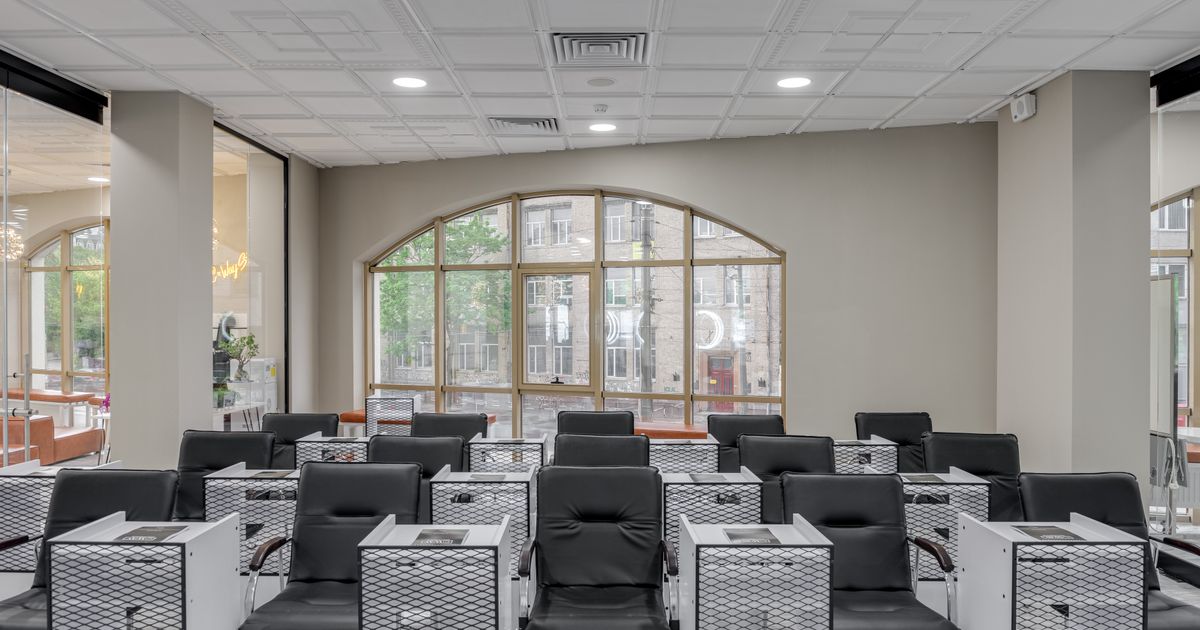
Saturday morning is where a salon reputation is made or lost. Three fairness rules cover almost everything: a booked slot is protected for a short grace period and then released to the queue; priority groups — seniors, prepaid packages, bridal parties with a committed time — move ahead by a published rule rather than by negotiation at the counter; and a walk-in is told an honest number at the moment they take a token, not when they ask for the fourth time. The waiting room itself is part of the system: seats for the number of tokens genuinely open, a charging point, and a display that does not overstate the wait. Small salons across India run this on a phone and a whiteboard today; the wider patterns for small businesses sit in the best queue app for small business India guide, and the token mechanics in appointment booking with live token.
Consistency across shifts and outlets
Rules written on Monday have to hold on the night shift. That means the order does not depend on which front-desk person is working: a published token sequence, a printed priority list, and the same grace period at 8 pm as at 11 am. Multi-outlet salons face the same problem one level up, because a franchise client or a corporate contract asks how service stays consistent across chairs and cities — the International Organization for Standardization publishes its catalogue of formal quality standards at iso.org, which is useful context when a larger client asks what documented process sits behind your queue. Whatever level of formality you adopt, keep the customer-facing version simple: one screen, one order, one wait estimate, and a staff script short enough to remember during a rush.
Running the floor on SWIQ
On SWIQ the two halves share one enforced calendar. Bookings from your link, Instagram bio, WhatsApp and phone all check the same availability at the moment of booking, walk-ins take a token into that same order, and every confirmed slot gets an automatic reminder the day before — the cheapest no-show control a salon has. Payments settle at booking through UPI, released slots return to the pool for the next caller, and the counter screen updates as tokens are called. Setup takes about two minutes: add services with their buffers, set the walk-in windows, then share the link in your bio and status. Plans run at ₹777, ₹1,777 and ₹2,499 per month, the first 300 bookings are free every month, and the 14-day trial needs no credit card. Salons that also send stylists home to clients follow the same split described in the free salon appointment app guide. Questions go to WhatsApp +91 79002 60076 (Jodhpur, Rajasthan).
Conclusion
Salon walk-in queue management comes down to one decision made visible: every arrival, booked or not, enters an order the client can see, with a wait estimate that turns out to be true. Get that right and the rest — tokens, screens, reminders — is plumbing. Start at appointment booking and queue management software from SWIQ or book a free demo and bring your worst Saturday to the call.
Practical next step: for one Saturday, write the order of every arrival on a single sheet — bookings, walk-ins, priorities — and ask your front desk to explain the rule back. Where they hesitate, the queue policy is still missing.
Related SWIQ pages: Salon walk-in queue management India · Book a free demo · salon booking system · walk-in appointment system · appointment booking with live token · salon walk-in queue app
Frequently asked questions
What is salon walk-in queue management?
It is the practice of serving booked clients and walk-ins from the same chair pool through one published order. Walk-ins receive a token, appointments keep their slot, and both positions appear on a display and on the client phone, so the front desk applies a visible rule instead of deciding each case at the counter.
How should a salon balance appointments against walk-ins?
Protect a booked slot for a short grace period, then release it to the queue, and give walk-ins the next genuinely free slot with buffers rather than cutting into a booking. Priority groups can move ahead under a published rule. What matters most is that the rule is written down, shown to clients and applied the same way on every shift.
Does a small salon really need tokens for walk-ins?
Yes, especially a small one. A token replaces the informal cluster of people standing near the counter, which is where disputes start. It also produces an honest wait estimate, records how many walk-ins arrive each hour and shows which services create unplanned demand, so the next month of staffing and slot planning runs on numbers instead of memory.
What does walk-in queue software cost in India?
Indian cloud plans start around ₹777 per month. SWIQ lists ₹777, ₹1,777 and ₹2,499 per month, gives the first 300 bookings free every month and includes a 14-day trial with no credit card, so a salon can run a full weekend through the system before paying anything.
See SWIQ in action
Run your next weekend rush through SWIQ — bookings, walk-ins and tokens in one order — before changing anything else.
Book a free demo