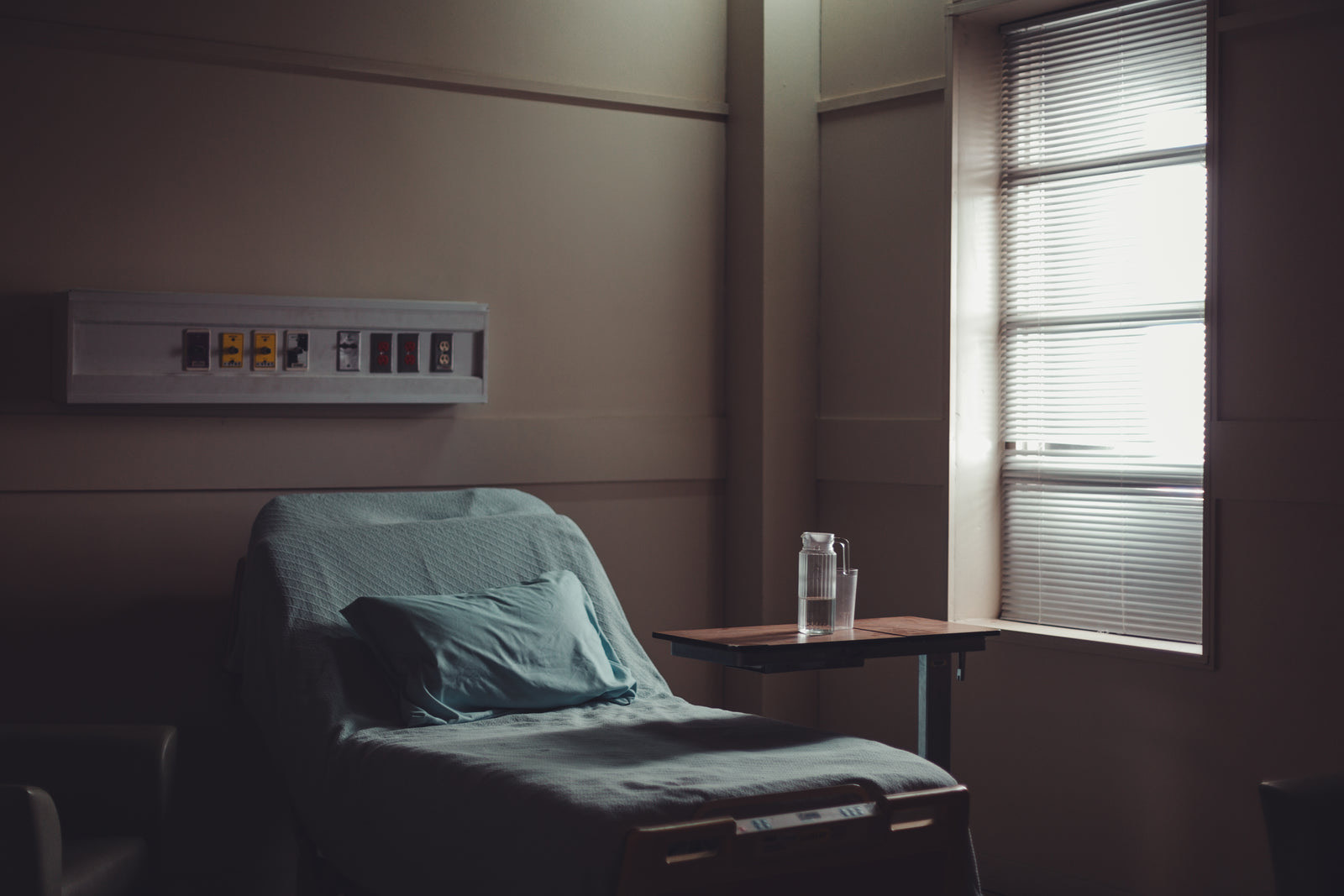
Learning how to reduce patient waiting hospitals USA see at registration and triage starts with accepting an uncomfortable fact: in most of those visits, the clinical work is not the slow part. Waiting originates in the front desk sequence -- insurance verification, forms, copay, then a triage queue that restarts the patient's position in line. By the time the patient is roomed, they have waited three separate times, and only the last one appears anywhere in the hospital's reports. The sequence below fixes those first waits in order, without adding headcount.
Key takeaways
- Waiting before the clinical encounter is a process problem: forms, verification and re-queuing, not clinician speed.
- Move data entry upstream -- pre-registration and digital forms -- so the front desk becomes a handover, not a session.
- Protect triage order with a written acuity rule, and let visible exceptions reassure rather than upset the room.
- Alert staff the moment a wait crosses your threshold, because most long waits are simply unnoticed ones.
- Measure arrival-to-room and arrival-to-provider weekly, and compare the two to see whether registration or triage is the constraint.
Where US patient waiting actually originates
Break an outpatient or ED visit into its pre-clinical steps and the sources of delay are administrative. The patient arrives, waits to be greeted, waits while the registration conversation happens -- demographics, insurance, consent, history -- and then often waits again because a form was printed rather than sent in advance. Next comes payment or copay handling, then triage, where the patient's position in the queue may be reset entirely because triage is run by acuity rather than by arrival.
Each step has legitimate reasons for existing, and none of them requires the patient to be standing in front of a clerk to happen. Insurance can be verified before arrival, forms can be completed the night before, and history can be updated through a patient portal. What remains on site is identity confirmation, payment and clinical triage -- a much shorter list than the one most front desks are running today.
The second source is invisible: unnoticed waits. A queue with no owner and no alert will happily stretch to twenty minutes while everyone is busy, because nobody is measuring it in the moment.
The registration-to-triage timeline, minute by minute
Time one ordinary visit and the breakdown surprises most administrators. Arrival to greeting: two minutes on a good day, eight when the desk is doing something else. Greeting to forms complete: five to ten minutes, longer if the patient has not pre-registered. Forms to triage start: three to twelve minutes, depending on who notices that the forms are ready. In total, a patient can spend twenty to thirty minutes in the pre-clinical phase of a visit that was scheduled for fifteen.

Two features of that timeline matter for fixing it. The waits are concentrated in gaps between tasks rather than inside tasks -- nobody is slow, tasks are simply not connected. And the patient has no way to distinguish a two-minute gap from a twelve-minute one, so perceived wait runs ahead of actual wait and shows up in HCAHPS-style feedback as a complaint about staff even when staff were prompt.
The same timeline also explains why the wait feels worst at arrival: the first minutes set the expectation for everything after them, and a patient who waits eight minutes to be greeted assumes the rest of the visit will run the same way.
A seven-step sequence for cutting the pre-clinical wait
Order matters: each step removes work from the one after it.
- Send forms before the visit. Portal or email completion the evening prior, with a printed fallback at the door for patients who will not complete them online.
- Verify coverage ahead of time. Insurance verification scheduled against the appointment calendar, so the desk confirms rather than investigates at arrival.
- Compress check-in to identity and payment. The 30-second standard: confirm who, confirm coverage, take the copay, hand over the next step.
- Use a lobby queue with a visible number. Patients who can see their place stop asking, and staff stop answering -- the interruption saving is often larger than the time saving.
- Trigger triage on arrival, not on completion. In urgent settings, acuity screening should start while registration finishes rather than after it.
- Alert when a threshold crosses. A five-minute greeting target with an automatic nudge at four minutes converts silent drift into visible action.
- Close the loop to rooming. Track arrival-to-room separately from arrival-to-provider, or you will fix registration while triage waits, and nobody will be able to say which of the two improved.
Front desk tools and scripting that actually help
Technology helps only where the process above is already right; a kiosk in front of a broken sequence digitizes the confusion. The combinations that consistently earn their cost are modest:
- Pre-registration links with mobile-friendly forms and e-signature, sent with the appointment confirmation rather than as a separate portal invite.
- Queue displays and numbered calling at the desk, so the waiting room knows its order without a staff member announcing it repeatedly.
- Tablet-based intake in the lobby for the patients who arrive without completed forms, which keeps the line moving during surges.
- Standard check-in scripts that state the next step and the expected wait: 'Dr. Patel is running about ten minutes behind; you are third in line for rooming.'
- Threshold alerts to a supervisor's phone, because the wait nobody sees is the wait that reaches the patient first.
Notice that four of the five are communication rather than capital. The hospital that explains its queue consistently outperforms the one with the newer terminal, because patients forgive visible waiting far more readily than waiting nobody acknowledges during a busy morning. Start with the script and the alert: they cost nothing and they work by Monday.
Measuring whether the changes reduced patient waiting
Two metrics, taken weekly for a month before the change and three months after: arrival-to-first-contact (greeting or triage, whichever is first) and arrival-to-room. Report them as medians with the 90th percentile beside them -- averages smooth away exactly the surge periods that generate complaints. If arrival-to-room falls while arrival-to-provider does not, the constraint has moved downstream into clinical scheduling, which is a different problem with a different owner.
Add one qualitative check: ask the front desk, once a week, what caused the longest wait they saw. Their answer will usually identify a single recurring process failure -- a verification queue, a missing form, a scanner log-in -- that no dashboard surfaced. Dashboards show that a wait happened; the desk knows why, and the two together are what make the next change specific rather than generic.
Keep the measurement honest by collecting it across comparable weeks: a flu-season Monday and a holiday Friday will otherwise credit or blame a change that had nothing to do with it. For the wider hospital-side view, see appointment scheduling for US hospitals, and for the emergency-side numbers, emergency department wait times in the US.
Frequently asked questions
How long should hospital registration take?
For an arriving patient with an appointment and documents in hand, under five minutes is a reasonable target for identity, coverage confirmation and copay -- a standard many US clinics describe as a 30-second check-in per person at the desk. Longer waits almost always trace to verification or form completion happening at arrival rather than before it.
Is pre-registration worth pushing to patients?
Usually yes, provided it is one link sent with the confirmation rather than a portal enrollment. Completion is never universal -- expect a meaningful share to ignore it -- but even partial uptake removes the worst of the arrival surge, and the patients who do complete it are consistently the fastest through the desk.
How do you reduce triage waits without missing acuity?
Separate order of arrival from order of care: triage by written acuity rule, and make the exception visible so the room understands why someone went ahead. The wait to be triaged is what you can safely shorten; the order of clinical urgency is not something to optimize.
Should US hospitals use check-in kiosks?
They help in high-volume, low-complexity settings where identity and payment are the only remaining steps, and they frustrate patients when forms or coverage still need a person. Buy them after the pre-registration and queue-display steps, not before -- otherwise the kiosk becomes the newest place to wait.
What is a realistic target for reducing patient waiting?
A common approach is to set the current median as the baseline, then target a 20 to 30% reduction in arrival-to-room over a quarter by attacking one step at a time. That is how most US hospitals reduce patient waiting in practice, and the first gains are usually the largest because they come from removing rework rather than from making anyone work faster.
See SWIQ in action
SWIQ gives US hospitals pre-registration links, a visible lobby queue, threshold alerts and arrival-to-room reporting, so front-desk waiting becomes a managed number.
Launch the SWIQ web app