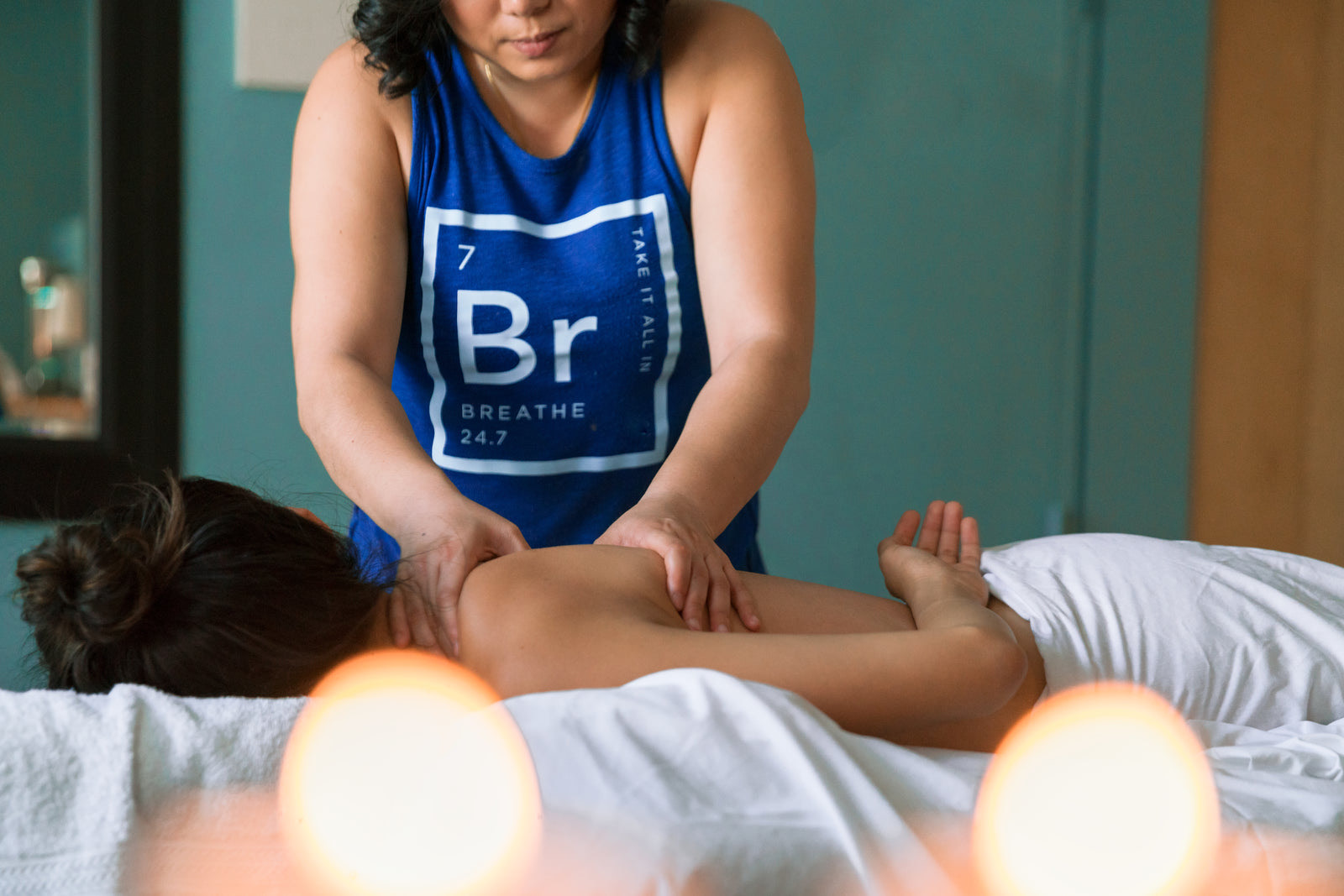
Med spa queue management in the USA has a complication day spas do not: part of your wait is clinical, not operational. Numbing cream needs 20--45 minutes, laser sessions require provider handoffs, injections demand brief recovery, and every client also completes intake and consent before a glove goes on. When that sequence is not designed, the lobby fills with people who were promised a 30-minute slot against a plan that needed 90, and every downstream appointment slips with them.
Key takeaways
- Separate clinical waits from reception waits -- numbing and recovery are scheduled time, and guests should be told which kind they are in.
- Do consent and intake before the day of treatment wherever state rules allow; paperwork at the desk is a queue nobody budgeted for.
- Book by resource, not by clock: one provider, one room and one device each need their own schedule or the plan will not hold.
- Keep the lobby uncrowded with accurate arrival times -- a full waiting room is a flow failure, not a success metric.
- Publish honest start-time estimates and hold to them within about 10 minutes; med spa guests rate fairness as harshly as outcomes.
Why med spa queue management behaves differently from day spas
Three properties distinguish a med spa queue. First, clinical dependencies: numbing must happen before the treatment, sterilisation before the next client, and a brief observation after certain procedures -- none of which can be compressed by asking staff to hurry. Second, licensed resources: a RN, an NP or the medical director cannot be in two rooms at once, so a single provider is usually the true bottleneck rather than the front desk. Third, the legal layer: consent documents, ID checks for injectables, and before-and-after photography are regulated steps that must happen correctly, even when the lobby has four people in it.
Most med spa delays come from compressing those three layers into one moment -- the check-in. The fix is to distribute them: consent and intake before arrival, photography in a private room rather than the chair, and numbing started by an assistant the moment the client changes.
The five-stage sequence that keeps med spa visits on time
Design the visit as five stages with an owner and a target duration for each. When a stage runs long, the team can see which one and adapt in real time instead of apologising at the end.

- Pre-arrival (day before). Intake forms, consent and photo consent completed online; confirmation and 24-hour reminder sent. The desk should receive guests who need nothing but room assignment.
- Arrival and verification (3--5 minutes). Identity, allergy recheck, payment on file confirmed. If a form is missing, this is where the queue forms -- so the reminder must chase it.
- Prep (15--45 minutes). Numbing, hair washing, cooling, marking. Staff start prep the moment the guest is in the room; waiting for the provider to start prep is the classic lost half hour.
- Treatment (provider time). Booked against the provider's real average for that service, not the training manual's.
- Recovery and checkout (5--15 minutes). Post-care instructions, next-visit booking while the guest is still in the chair, checkout from a card on file so nobody queues at the desk twice.
Schedule by resource instead of by clock
A single shared calendar hides the bottleneck: three clients can appear "bookable" at 10 a.m. while one injector, one laser room and one esthetician cannot serve any of them. Resource-based scheduling assigns each appointment to the provider, room and device it actually consumes, and refuses a slot when any one of the three is committed. It feels stricter on Monday morning and saves every afternoon after that.
The second half of resource scheduling is buffers. Clinical services overrun in one direction -- short treatments finish early almost never, but they run long routinely -- so build a 10-minute buffer after every injectable block and a 15-minute buffer between laser clients while the room resets. Those buffers look like wasted inventory on the calendar and function as the reason one late guest does not spoil five appointments.
- One calendar view per resource: provider, room, device -- with the shared guest view layered on top.
- 10--15 minute reset buffers after injectables and laser, owned by an assistant rather than the provider.
- Hard stops for consultations: 15 minutes of selling time, then the booking, never the treatment on the same slot.
- Same-service clustering: group similar treatments per morning so prep steps repeat instead of restarting.
Keep the lobby a waiting room, not a line
In a medical setting the crowd itself is a liability. A packed waiting area makes every guest wonder whether they are late, makes the front desk explain the delay twenty times, and -- in an era of phone cameras -- turns other clients' procedures into background content. The goal for a US med spa is a lobby holding two or three people at peak, which is achievable if arrival times are accurate and guests trust them.
Trust comes from three habits: quote a real start time at booking ("your injector starts at 2:05, plan to arrive at 1:55"), send a message when the provider is running behind rather than waiting for the guest to ask, and give guests somewhere better to wait -- the car, the café downstairs, a text-back-in-10 option. Front-desk communication standards for appointment confirmation messages apply here directly. For how guests actually score the wait itself, the thresholds in spa wait-time statistics hold for med spas too: past about 15 minutes, an unexplained delay starts costing you the rating you just earned with the treatment.
A four-week rollout that does not interrupt revenue
Change one layer per week. Week one: move intake and consent online and measure how many guests still arrive with missing paperwork. Week two: start prep automatically on arrival and time stage two end to end. Week three: introduce resource views and buffers, beginning with your noisiest service line -- usually injectables on a Saturday. Week four: turn on arrival-time quotes and delay notifications, then compare against week one.
Measure three things across the four weeks: booked-start delay, guests held past their slot by more than 10 minutes, and front-desk interruption counts. Med spas that run this sequence typically find the biggest single win in week one -- not because paperwork is slow, but because every missing form becomes a reception crisis in front of other guests. Compare your finished numbers against clinic-style benchmarks in queue management for wellness centers, and review the wider clinical queue patterns in queue management for specialist clinics.
- Week 1 -- online intake and consent; count missing forms at arrival.
- Week 2 -- automatic prep on arrival; time the check-in-to-room stage.
- Week 3 -- resource calendars and reset buffers on the busiest service line.
- Week 4 -- honest arrival quotes and behind-schedule notifications; re-measure.
Frequently asked questions
How long should a med spa client wait after check-in?
Aim to be in the treatment room within 5 minutes of the stated arrival time, and treat 15 minutes as the ceiling for an explained delay. Prep time such as numbing is different -- that should be booked and labelled as part of the visit, not discovered as a wait. Clients forgive scheduled time far more readily than unannounced time.
Should numbing time be included in the appointment slot?
Yes, and label it in the booking so the client expects it: 'arrive 10 minutes early for numbing'. When numbing happens outside the slot, clients experience it as a wait and the provider's schedule still gets consumed by it -- the worst of both. Assistant-led prep during the booked window is the cleanest arrangement.
Does a med spa need a queue display like a clinic?
Usually not. A med spa lobby should hold two or three people at most, so a display is a solution for crowds you should be avoiding. Better investments are accurate arrival quotes, behind-schedule notifications, and a private prep room. Add a display only if your waiting area regularly fills -- that is a signal to fix flow before buying hardware.
How do HIPAA concerns affect the waiting area?
Consent and records should be handled on a private screen or paper out of earshot of other guests, and no guest should be discussed at the open desk. Confirmations sent by text should avoid naming the specific procedure -- 'your 2:00 appointment' rather than naming the treatment -- which keeps messages discreet and is good practice regardless of legal obligations.
What is the most common cause of med spa schedule slip?
Consultations booked as if they were treatments. A 15-minute consultation that turns into a 40-minute sales and Q&A conversation pushes every following appointment. Book consultations against a hard stop, take payment and consent later, and schedule the actual service in its own slot -- the revenue is the same, the cascade disappears.
See SWIQ in action
SWIQ maps every med spa visit from consent to checkout -- prep timers, resource calendars, arrival quotes and behind-schedule alerts in one place.
Launch the SWIQ web app