
A court booking app is software that sells your sports facility by the hour: players open a link or scan a QR, see the live availability of each court, turf, net or ground, book an open slot in a few taps, and pay an advance by UPI — while the operator sees one calendar per court and full data on what sold, what sat empty and what cancelled. For Indian turfs, cricket nets, badminton halls and academies — where 6–10 pm decides the month — it converts phone-tag and walk-up guesswork into confirmed, prepaid bookings. This guide covers how it works, why phone bookings leak revenue, and how to roll one out before the evening rush.
Key takeaways
- One live calendar per court with slot lengths that match real play (60/90/120 minutes).
- UPI advances at booking kill prime-time no-shows — the biggest revenue leak in the category.
- Link and QR entry: Instagram bio, WhatsApp, gate poster — no app for players.
- Cloud plans from ₹777/month; first 300 bookings free; no hardware to install.
What a court booking app does
The facility defines its inventory: courts, surfaces, opening hours, slot lengths and per-slot prices. Players see a grid — say turf 1, 7 pm, 60 minutes, ₹1,200 — and book the slots that exist; the moment one is sold it disappears for everyone else. Confirmation and reminder messages go out automatically, cancellations return the slot to sale (refunding per your policy), and the operator's dashboard shows each court's day at a glance.
The same slot mechanics power appointment slot booking for service businesses; the sports-specific twist is priced inventory with advances — covered next. Coach-led batches and class timetables fit the same system; see the gym and fitness class booking app pattern for recurring schedules.
Why facilities lose money by phone
Phone-and-whatsapp booking fails in three ways that show up directly in the P&L:
- Unanswered demand. A group searching at 5 pm calls twice, gets no answer, and books the turf two kilometres away. The missed call is a lost booking with no record.
- Double-sell and conflict. Two bookings for the same hour from two staff threads — resolved at the gate with an angry league on the ground.
- Prime-time no-shows. "Book 7 to 8, we'll confirm" — then half the party doesn't come. The slot is dead: nobody else could buy it, and nobody paid.
A public booking link fixes the first, enforced availability fixes the second, and money at booking fixes the third. Facilities that put the link in their Instagram bio and gate QR usually see the largest jump in off-hours bookings in the first week.
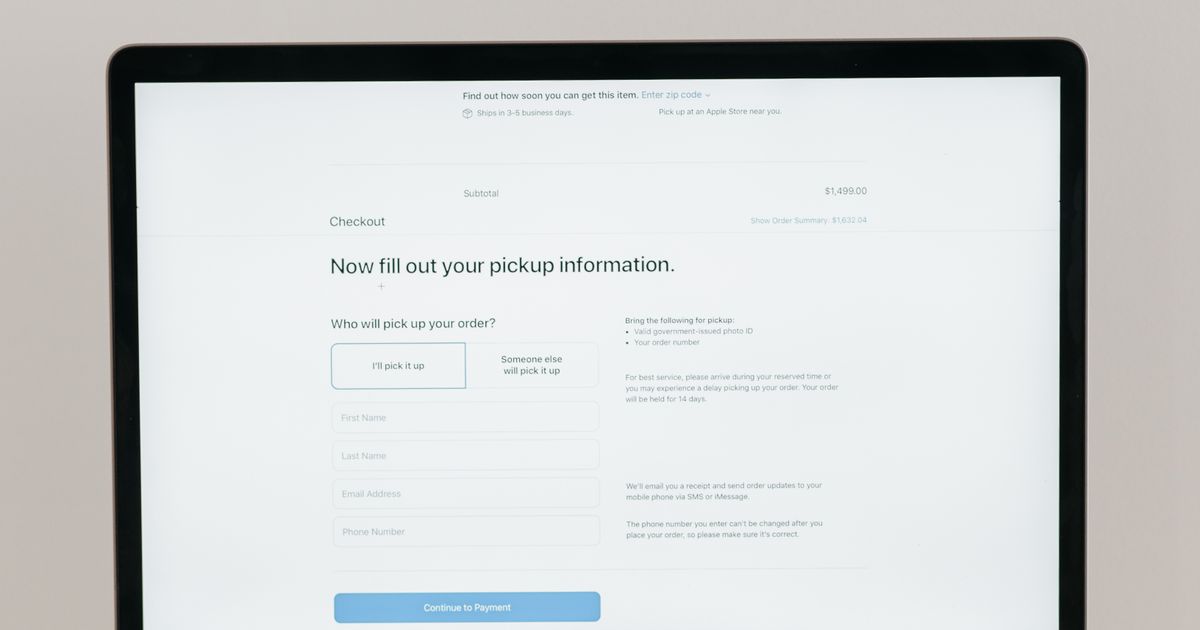
Advance payments change behaviour
Sports facilities sit on the strongest payment leverage in booking: prime slots are scarce and fungible. Three patterns, in increasing firmness:
- Token advance. A fixed amount per court via UPI at booking; balance at the gate. Filters casual holds without scaring regulars.
- Full prepayment for weekend and evening slots; pay-at-gate for weekday mornings (the soft slots sell anyway).
- Packages. Ten-slot passes for regular groups, sold once and consumed per booking — the retention play.
UPI makes all three frictionless — the same flow as our Calendly alternative with UPI payment. Facilities that add even a token advance to prime slots typically see no-shows drop to near zero within two weeks, because the reservation now costs something.
Open play vs coached batches
Most facilities run two products at once, and the booking system must hold both:
- Open play — hourly slots sold to whoever books first, with per-slot limits so a 6-a-side turf never oversells players.
- Coached batches — fixed recurring time, enrolled players, attendance tracked per session; vacancies open to new bookings mid-month.
- Events and leagues — block-booked hours (whole-ground reservations with an advance), locked out of the public grid.
One calendar, three modes: the evening open-play grid simply greys out when a batch or league holds the ground.
Cost and setup
No hardware: the gate poster's QR, the Instagram link, and any phone as the operator console. Cloud plans in India start around ₹777 per month (₹1,777 and ₹2,499 for multi-ground operations with staff roles and reports); SWIQ's first 300 bookings are free every month and the 14-day trial needs no credit card — a full weekend of prime slots can be sold on the real system before any payment. Setup: name the courts, set hours, slot lengths and prices, publish — about two minutes per booking page. Questions: SWIQ or WhatsApp +91 79002 60076 (Jodhpur, Rajasthan).
Rolling it out for the evening rush
- Configure tomorrow's grid. Courts, hours, slot lengths, prices — start with 60-minute defaults.
- Pick the payment rule. Token advance for evening/weekend; gate payment for mornings.
- Put the link everywhere. Instagram bio, WhatsApp business status, gate QR, local league groups.
- Brief the gate. One rule: every reservation — call, DM or walk-up — enters the same calendar.
- Watch the first weekend. Booked vs attended per slot; adjust slot length if 60 minutes keeps running over.
Walk-up demand that exceeds the grid connects to a queue at the gate — the virtual queue system model handles it without a crowd at the counter.
Measuring utilisation
Three numbers decide whether the app works: slot fill rate by hour (prime hours should approach 100% sold), no-show rate (pre- vs post-advance), and off-hours bookings captured (nights and weekends, proving the link sells while the gate is closed). Compare two weeks before and two after — and watch the fill rate climb even if total matches stay constant, because paid, attended slots are the only ones that count.
Conclusion
A court booking app turns your facility into a page that sells hourly slots around the hour: players book courts from a link or QR, pay by UPI so prime time is never wasted, and the operator runs every court on one calendar with full utilisation data. It costs less per month than a single no-showed evening block and can be live before tomorrow's rush. See it at appointment booking and queue management software from SWIQ, or book a free demo with your court layout.
Practical next step: for one normal week, log every booking request that came by phone or DM and every prime slot that ran empty — those two counts are exactly what the booking link will close.
Related SWIQ pages: Court booking software India · Book a free demo · appointment slot booking · gym fitness class booking app · free booking apps · booking slot management
Frequently asked questions
What is a court booking app?
A court booking app lets players reserve a court, turf, net or ground for an hourly slot from a link or QR code. The facility keeps one live calendar per court, takes an advance via UPI if configured, sends automatic confirmations and reminders, and shows the operator exactly which slots sold, sat empty, or were cancelled.
Can it take advance payment for slots?
Yes. Indian-focused booking apps support UPI payment at booking — either full prepayment or a token advance that filters no-shows. Paid bookings cut casual reservations dramatically on prime evening and weekend slots.
Which facilities use court booking apps in India?
Turf grounds, cricket net facilities, badminton and squash halls, tennis and pickleball courts, swimming pools, skating rinks, shooting and archery ranges, and multi-sport academies running coach-led batches alongside open play.
How much does a court booking app cost?
Cloud plans in India start around ₹777 per month. SWIQ makes the first 300 bookings free every month, offers a 14-day trial with no credit card, and needs no hardware — the booking page takes about two minutes to publish.
See SWIQ in action
Run court slots, UPI advances, batch schedules and fill-rate reports from one dashboard.
Book a free demo