
Every day, thousands of Indians type comprehensive cancer center into their phones and expect three things: a list of cancer centers that are genuinely open, a clear sign of when a cancer center is available, and a booking path that takes less than a minute. For the patient it is a quick search between tasks. For the cancer center owner it is the front door of the business. This guide breaks down how patients run that search, what makes them choose one cancer center over the one two streets away, and the practical steps a small Indian cancer center can take to turn those searches into confirmed appointments.
Key takeaways
- Patients decide in under 60 seconds — your listing must be complete and current.
- Real-time availability converts 3x more than a contact form.
- One queue for bookings and walk-ins eliminates waiting-room confusion.
- Reply to every review; it signals an active, caring cancer center.
Mistakes local cancer centers make with near me traffic
The most expensive mistakes are the small ones. Listing hours that differ from reality. A phone number that rings out during consultation hours. A booking link that opens a form nobody monitors. Reviews left unanswered for a year. Photos of a cancer center interior that no longer matches the room patients walk into. There are operational mistakes too. Opening availability months in advance, so patients book dates the doctor has not approved yet. Confirming bookings by memory while three people handle the phone. Counting a cancelled appointment as used capacity, which quietly blocks a slot nobody will fill. And the classic: promising "you'll be seen in ten minutes" to everyone, then failing for everyone. Finally, avoid measuring nothing. If you never count how many comprehensive cancer center searches become calls and how many calls become visits, you cannot tell what to fix. A simple weekly tally at the front desk — new patients, returning patients, and where they came from — is enough to show whether your local presence is earning its keep.From search to booked in under a minute
The search is only half the job. The conversion happens on your booking page, and the standard Indian patients now expect is simple: open the link on a phone, see this week's dates, tap a slot, enter a name and number, get a confirmation with a reference. No app install, no account creation, no waiting for someone to call back. If that flow takes more than a minute, a share of patients drop out and dial the next cancer center instead. The other half is honesty about capacity. Availability you publish must be availability you can serve. It is better to open six slots a day and honour all six than to publish forty and run ninety minutes late by 11 am. Late running is what generates one-star reviews, and one-star reviews are what kill a comprehensive cancer center result for months. Set slot length by consultation type, block the lunch break properly, cap daily bookings, and let staff close a date the moment a doctor runs behind. Confirmation and reminders complete the loop. A booking reference sent by SMS or WhatsApp, a reminder the evening before, and a short message when the cancer center is running late all reduce no-shows and walk-away patients. Our clinic booking system setup checklist walks through these settings step by step for a single-doctor cancer center.Bookings and walk-ins in one queue
Indian cancer centers rarely live on appointments alone. Half the morning is walk-ins: a parent with a feverish child, a repeat prescription, a dressing change. If booked patients and walk-ins are tracked on two different systems — a diary and a paper token stack — the front desk ends up apologising to everyone, and the waiting room fills with people who were promised a short visit. The fix is one queue with two entry points. A booked patient arrives with a reference and is checked in with a tap or a QR scan. A walk-in takes a token from the same system and joins the same live list. The doctor sees one running order, the display shows one token at a time, and every patient can see an honest delay instead of a vague "please wait". This is also where most of the waiting-time complaints disappear, because the wait becomes visible and predictable. Multi-doctor cancer centers add one more requirement: staff-wise routing. A walk-in should land with the doctor who is free, not with the one whose diary looks emptiest on paper. See our appointment booking for clinics guide for the full workflow, including check-in, delay tracking, and handover between doctors.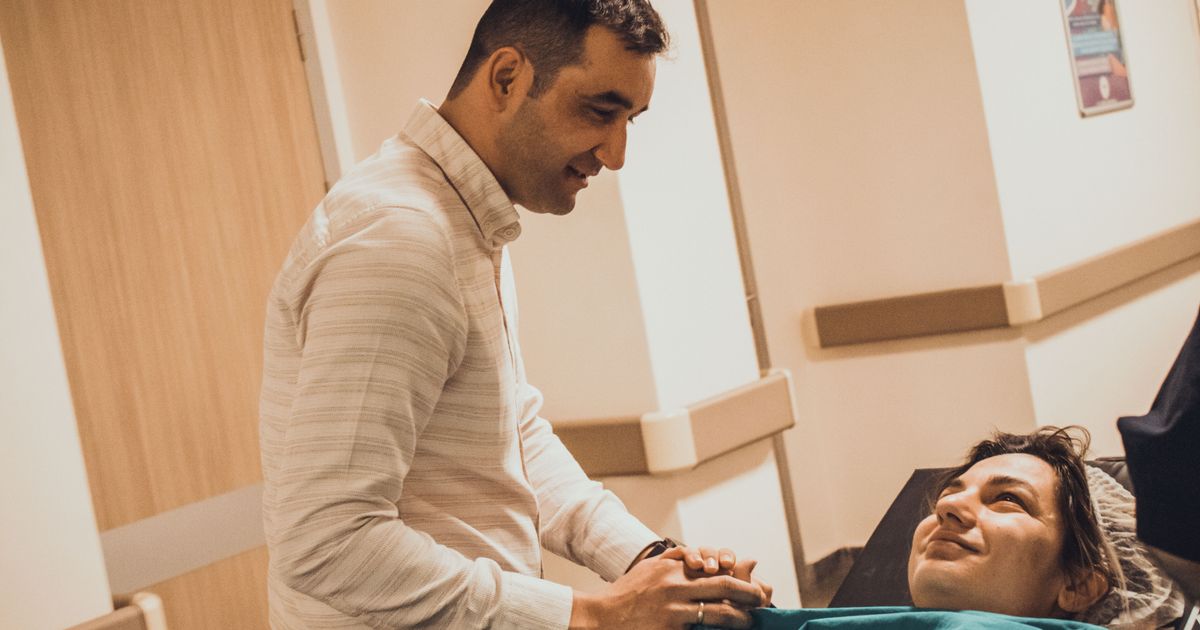
What a comprehensive cancer center search actually means
A "comprehensive cancer center" query is a decision shortcut. The person searching has already decided they need care today or this week. What they want next is the closest cancer center that is open, trusted, and easy to get into. They are not comparing specialities for an hour. They scan a list, glance at reviews, check timings, and then tap call, tap directions, or open a booking page. The whole loop often happens in under sixty seconds, on mobile data, sometimes while walking. That changes what matters for a cancer center. Ranking for a condition name is far less useful than showing up clearly when someone nearby searches at 9 am on a Tuesday with a pressing need and no time to spare. Proximity, open hours, visible availability, and social proof do the heavy lifting. If any one of those four is wrong — closed timings on the profile, no phone number, an expired offer, a booking link that leads to a dead form — the patient simply taps the next cancer center on the list. Nothing personal about it.How patients search for comprehensive cancer center
The journey usually starts on Google, either in the search app or directly in Maps. The first screen shows the local results block: a map with pins, three or four cancer center cards, ratings, distance, and opening status. Google's own guidance on how Business Profiles appear in Search and Maps explains why that block is won on completeness and consistency, not on ad budget alone. From there, behaviour splits. Some patients call the first cancer center that answers. Others read six or eight reviews, which is why a cancer center with 4.7 stars from 120 reviews and a replies-from-owner habit often beats a bigger facility nearby. A third group scrolls to the website link and looks for one specific thing: can I book without calling? If the booking link opens, shows today's slots, and takes a deposit or a confirmation in a few taps, they stop searching. If it opens a PDF timetable or a "leave your details" form, they go back to the results page. WhatsApp is the quiet second channel. Cancer centers share a number on their signage and social profiles, and patients message "appointment for today?" instead of phoning. Instagram DMs work the same way for younger patients. Each channel can convert a comprehensive cancer center search into a visit, but only if the front desk answers fast and records the booking where the whole team can see it.Practical next step: open your cancer center's Google listing on your own phone today, check hours, phone number, and booking link, and fix whatever is wrong before tomorrow morning's patients arrive.
Related SWIQ pages: Queue management software India · Book a free demo · clinic-booking-system · appointment-booking-for-clinics
Frequently asked questions
How do patients find comprehensive cancer center on Google?
Patients open Google or Maps, type their query, and pick from the local results block. Accurate name, address, phone number, opening hours, recent photos, and a working booking link decide which listing gets the tap.
What should a cancer center show on its Google Business Profile?
Show correct opening hours, the doctor's schedule, services and fees, fresh photos of the cancer center, and a booking link that opens straight to real available slots. Keep reviews answered and your address and phone number identical everywhere.
Can a small cancer center compete with a hospital for near me searches?
Yes. Small cancer centers win on proximity, speed of appointment, and personal care. Keep your listing complete, publish only slots you can honour, and make booking faster than calling. Many patients prefer a short wait at a nearby cancer center to a long queue at a hospital.
How does SWIQ help a cancer center get booked from a near me search?
SWIQ gives your cancer center a fast mobile booking page with real availability, QR check-in, live tokens, and reminders, so the traffic from a near me search ends in a confirmed appointment instead of a missed call.
What is the fastest way to fix a wrong Google listing?
Open your cancer center's Google listing on your own phone today, check hours, phone number, and booking link, and fix whatever is wrong before tomorrow morning's patients arrive. It takes ten minutes and protects your best free traffic source.
See SWIQ in action
Explore provider-controlled availability, QR booking, live tokens, delay tracking, staff access, and enterprise dashboards.
Book a free demo