Clinic wait time reduction directly impacts patient satisfaction, clinical outcomes, and staff morale. Long waits frustrate patients, disrupt provider schedules, and create cascading delays that affect every subsequent appointment. Data-driven approaches identify the root causes of wait times rather than applying generic fixes that may not address the actual problems.
Key takeaways
- Wait time reduction requires data on actual procedure durations and flow patterns.
- Scheduling optimization must account for variability, not just averages.
- Real-time queue visibility enables proactive delay management.
- SWIQ provides the analytics and live tracking needed for effective wait time reduction.
Why wait time reduction matters
Patient wait times affect more than satisfaction scores. Research shows that perceived wait time influences treatment adherence, follow-up attendance, and willingness to recommend the clinic. A patient who waits 45 minutes for a 15-minute appointment questions whether the clinic respects their time.
Staff morale also suffers in perpetually delayed clinics. Providers feel rushed to catch up, reception staff face frustrated patients, and the stress of running behind schedule affects care quality. Reducing wait times improves the experience for both patients and the people serving them.
Analyzing patient flow data
Effective wait time reduction starts with understanding your current flow. Track actual procedure durations, appointment intervals, room turnover times, and no-show rates by time of day and day of week. This data reveals patterns that generic scheduling rules cannot capture.
Identify bottlenecks: is the delay during patient intake, room preparation, the provider consultation, or checkout? Each bottleneck requires different interventions. SWIQ's appointment analytics provide the data foundation needed for this analysis without requiring manual data collection.
Scheduling optimization strategies
Use actual procedure duration data to set realistic appointment intervals. If a specific consultation type averages 25 minutes with a standard deviation of 10 minutes, scheduling 20-minute slots guarantees delays. Account for variability, not just averages.
Build buffer time into the schedule for catching up after delays. Reserve specific slots for walk-ins or urgent cases. Use no-show data to implement targeted overbooking or confirmation requirements. These adjustments should be data-driven, not arbitrary.
How SWIQ reduces clinic wait times
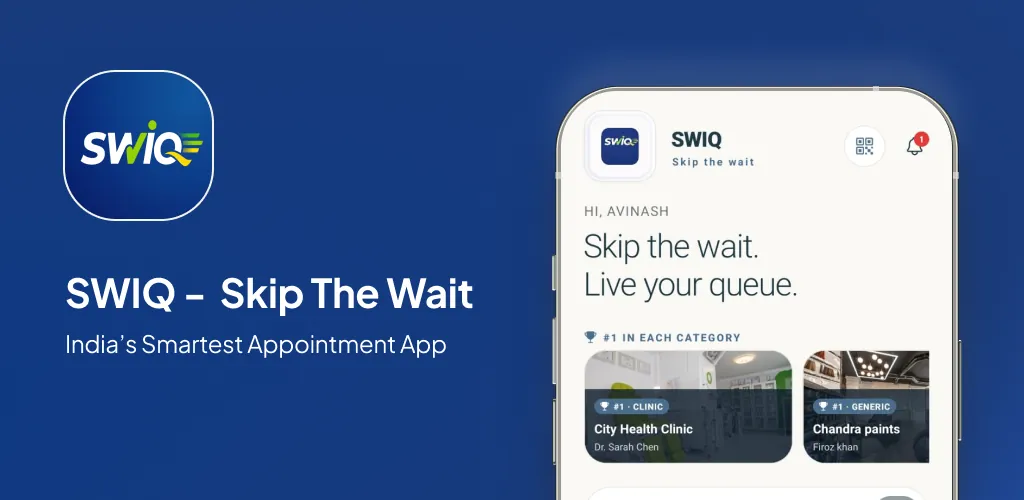
SWIQ provides live queue tracking, delay visualization, and appointment analytics that help clinics identify and address wait time issues. The real-time dashboard shows current queue status, enabling staff to manage delays proactively rather than reacting to patient complaints.
The platform's booking data creates the foundation for scheduling optimization. Track actual appointment durations, identify patterns, and adjust scheduling rules based on evidence. SWIQ's notification system also helps by keeping patients informed of delays before they arrive at the clinic.
Practical next step: measure your current average wait times for the most common appointment types. Use this baseline to set reduction targets and track improvement after scheduling changes.
Frequently asked questions
What causes long clinic wait times?
Long wait times result from poor scheduling intervals, no-shows disrupting flow, insufficient buffer time, uneven patient volume, and lack of real-time queue visibility for staff.
How can data reduce patient wait times?
Data reveals actual procedure durations, peak hours, no-show patterns, and bottlenecks. This information enables evidence-based scheduling adjustments and real-time queue management.
Can SWIQ help reduce clinic wait times?
Yes. SWIQ provides live queue tracking, delay visualization, appointment analytics, and real-time status updates that help clinics identify and address wait time issues.
See SWIQ in action
Explore provider-controlled availability, QR booking, live tokens, delay tracking, staff access, and enterprise dashboards.
Launch the SWIQ web app